 3-4 Hours
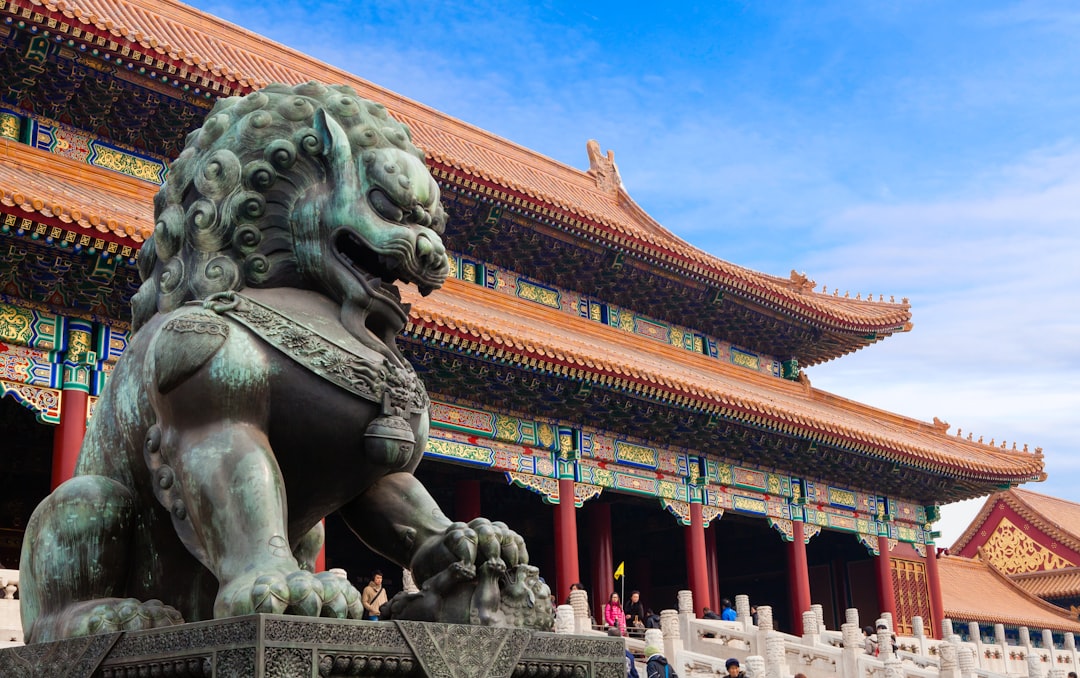
Forbidden City
The world's largest imperial palace with 9,999 rooms, showcasing Ming and Qing dynasty architecture and Chinese imperial treasures.
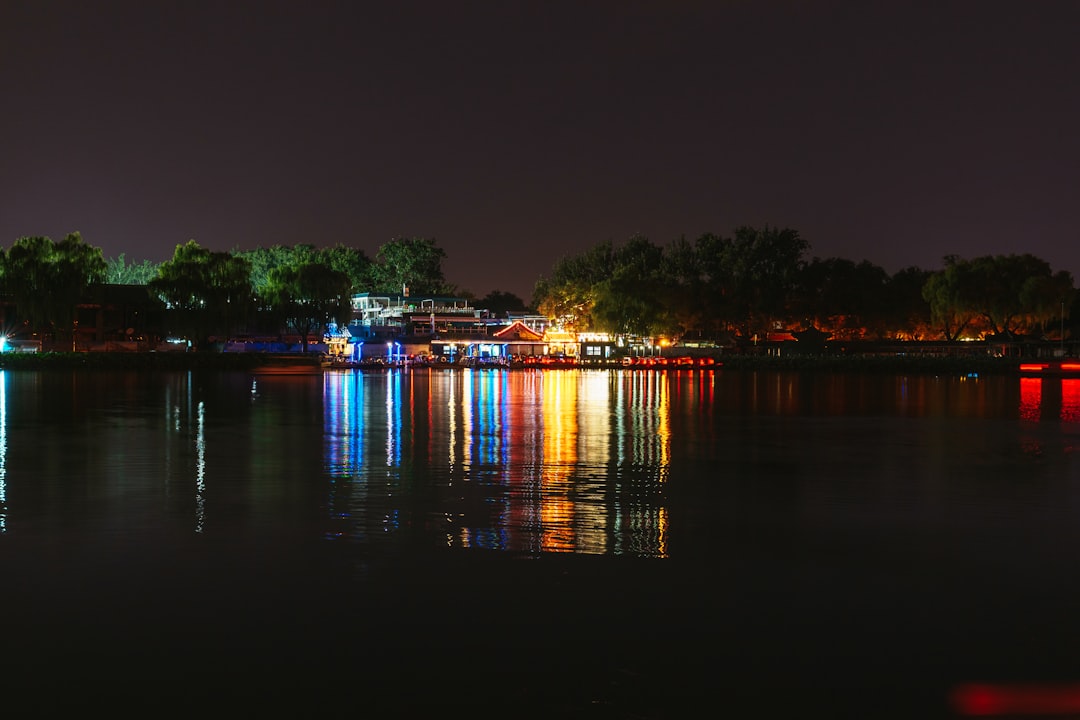
China's majestic capital seamlessly blends ancient imperial splendor with modern dynamism, offering an unforgettable journey through 3,000 years of history
Spring (April-May) and Autumn (September-October) offer mild temperatures, clear skies, and minimal rainfall. Avoid Chinese New Year and Golden Week holidays for smaller crowds.
Ideal: April-May, Sept-OctAllow 4-5 days to experience Beijing's essential highlights comfortably. Add extra days for the Great Wall, hutong exploration, or day trips to the Ming Tombs and local water towns.
4-5 Days MinimumThe Chinese Yuan (CNY/¥) is used throughout Beijing. Credit cards are accepted at major hotels and restaurants, but cash is preferred at markets and street vendors. WeChat Pay and Alipay are widely used.
Chinese Yuan (CNY)Mandarin Chinese is the official language. English is spoken in tourist areas, hotels, and major restaurants. Learning a few basic phrases enhances your experience and is greatly appreciated by locals.
Mandarin ChineseDiscover Beijing's most iconic landmarks and hidden treasures
3-4 Hours
The world's largest imperial palace with 9,999 rooms, showcasing Ming and Qing dynasty architecture and Chinese imperial treasures.
Half Day
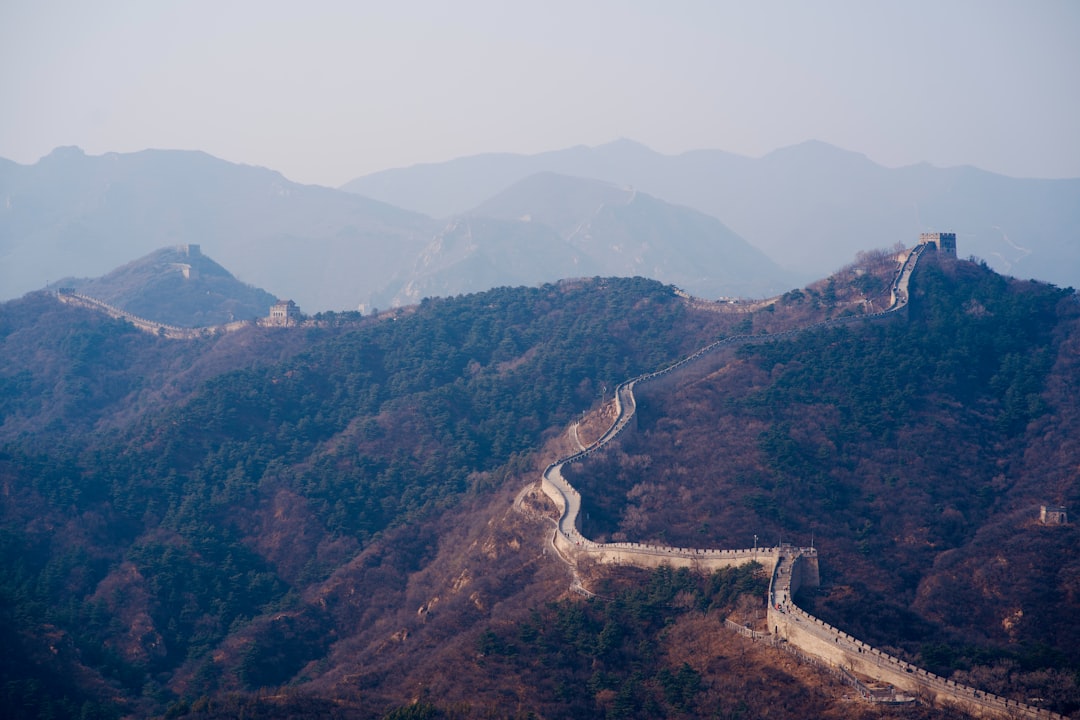
An ancient defensive masterpiece stretching 21,196 km. The Mutianyu and Jinshanling sections offer the best views and fewer crowds.
2-3 Hours
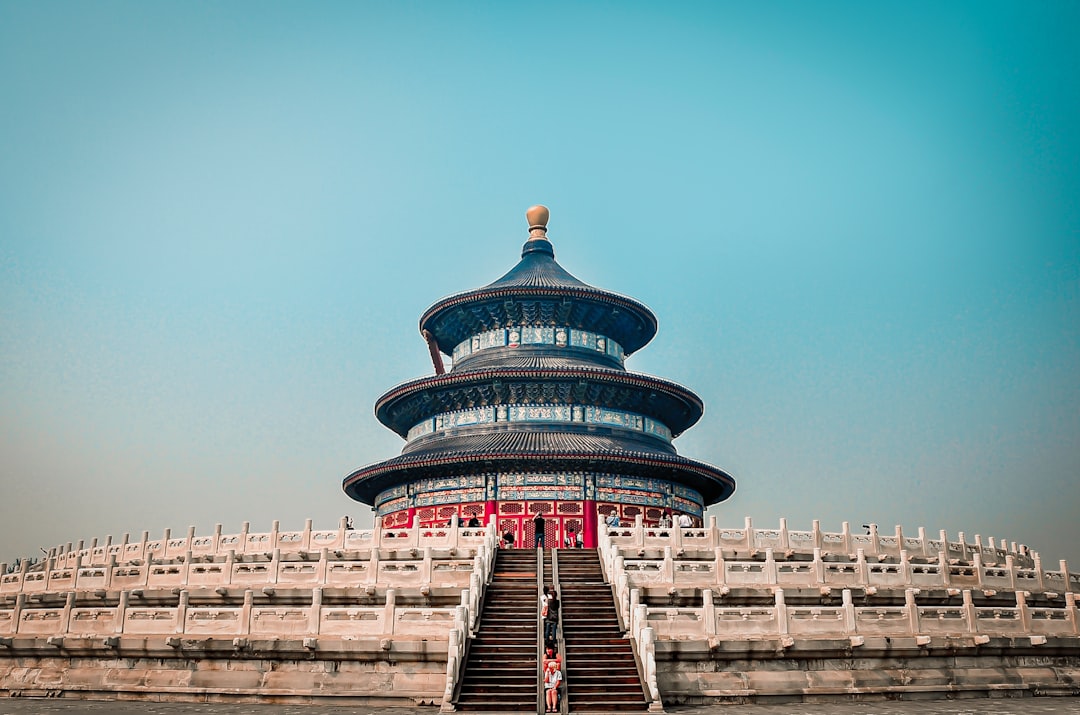
A masterpiece of Ming architecture where emperors prayed for good harvests. The circular Hall of Prayer is an architectural marvel.
3-4 Hours
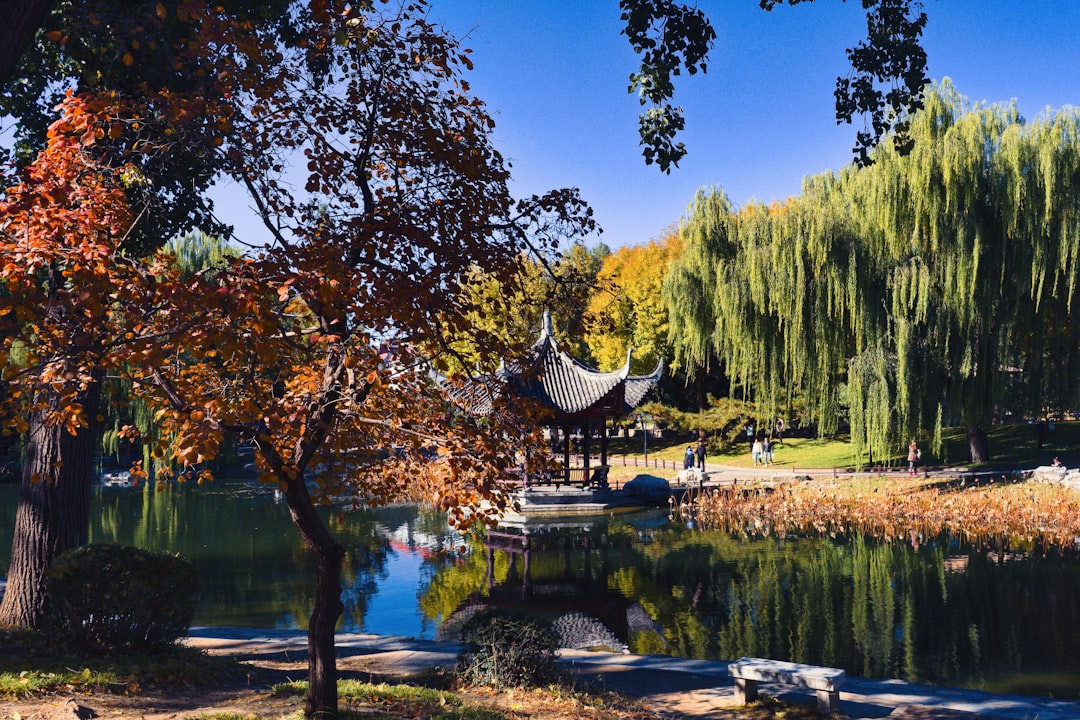
A vast imperial garden featuring Kunming Lake, Longevity Hill, and the famous Marble Boat. Perfect for leisurely walks and boat rides.
 1-2 Hours
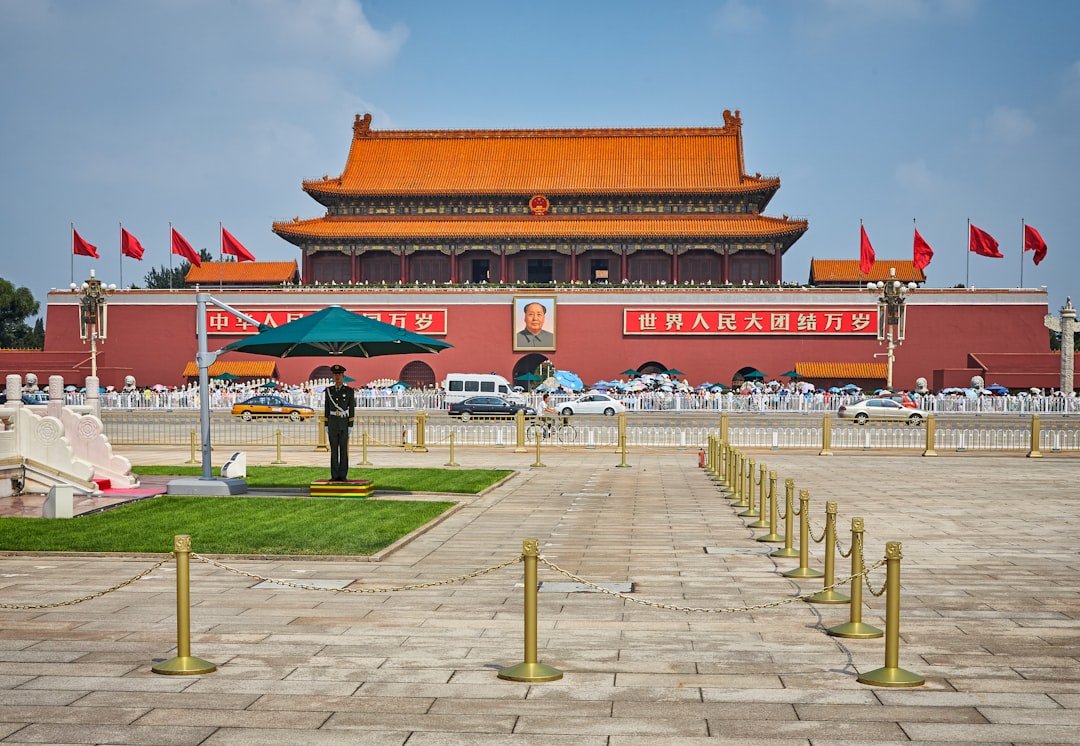
The world's largest public square, flanked by the Great Hall of the People and National Museum. Witness the flag-raising ceremony at dawn.
2-3 Hours
Explore ancient alleyways, traditional courtyard homes, and lively lakeside bars. Rent a bike or take a rickshaw tour for the full experience.
Savor the flavors of Beijing's legendary culinary heritage
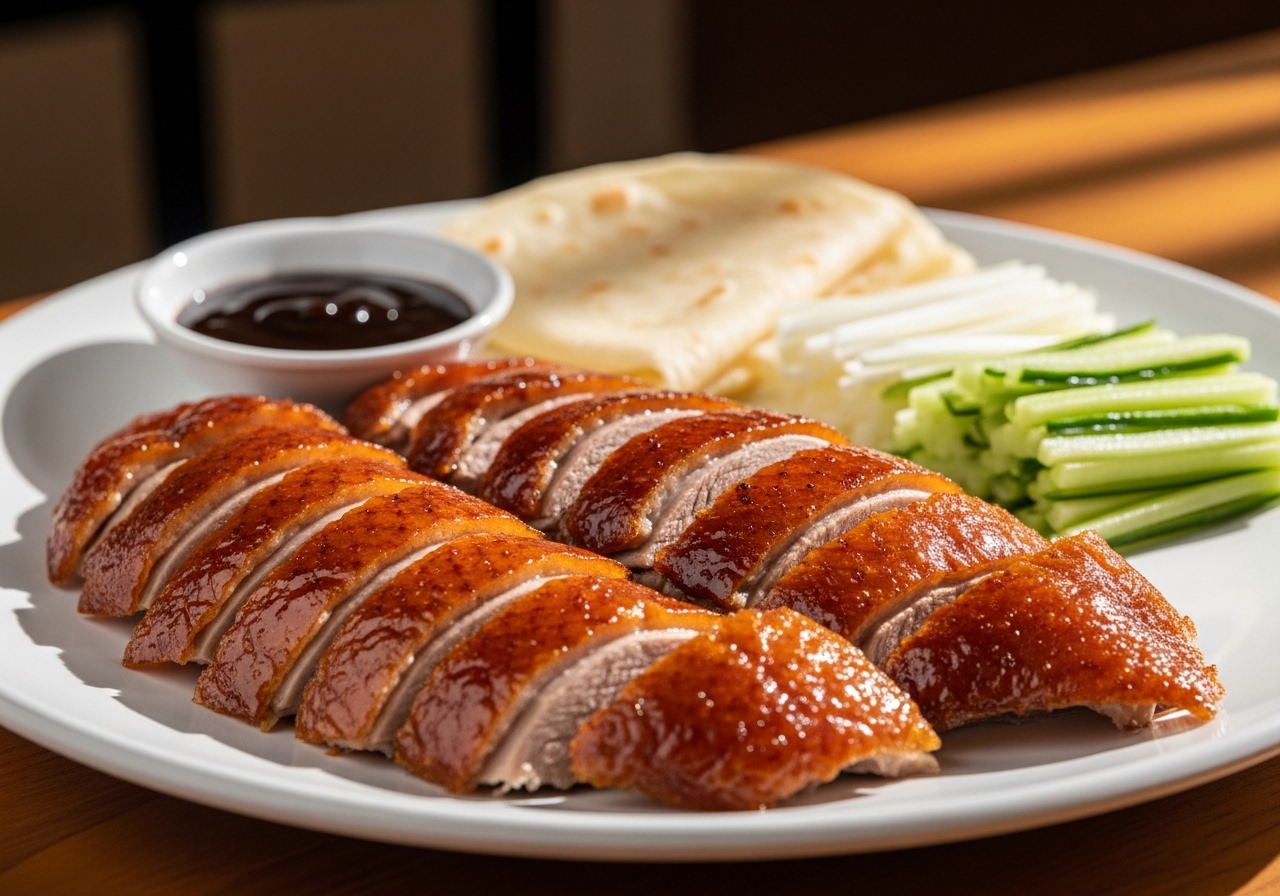 Quanjude, Da Dong
Beijing's most famous dish featuring crispy lacquered skin, tender meat, and paper-thin pancakes with hoisin sauce and cucumber.
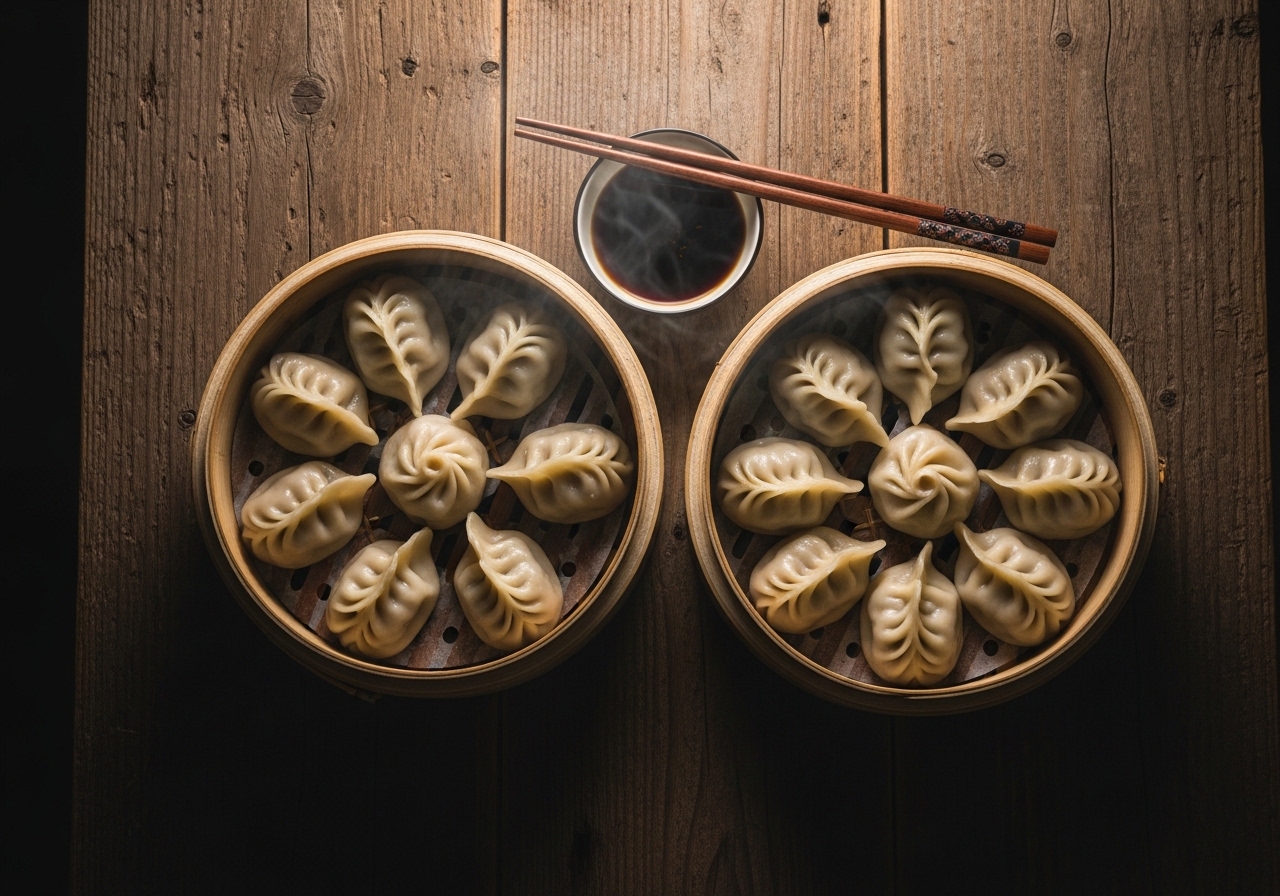 Din Tai Fung, Local Shops
Delicate steamed or pan-fried dumplings filled with pork, shrimp, or vegetables. A Beijing staple for over 1,800 years.
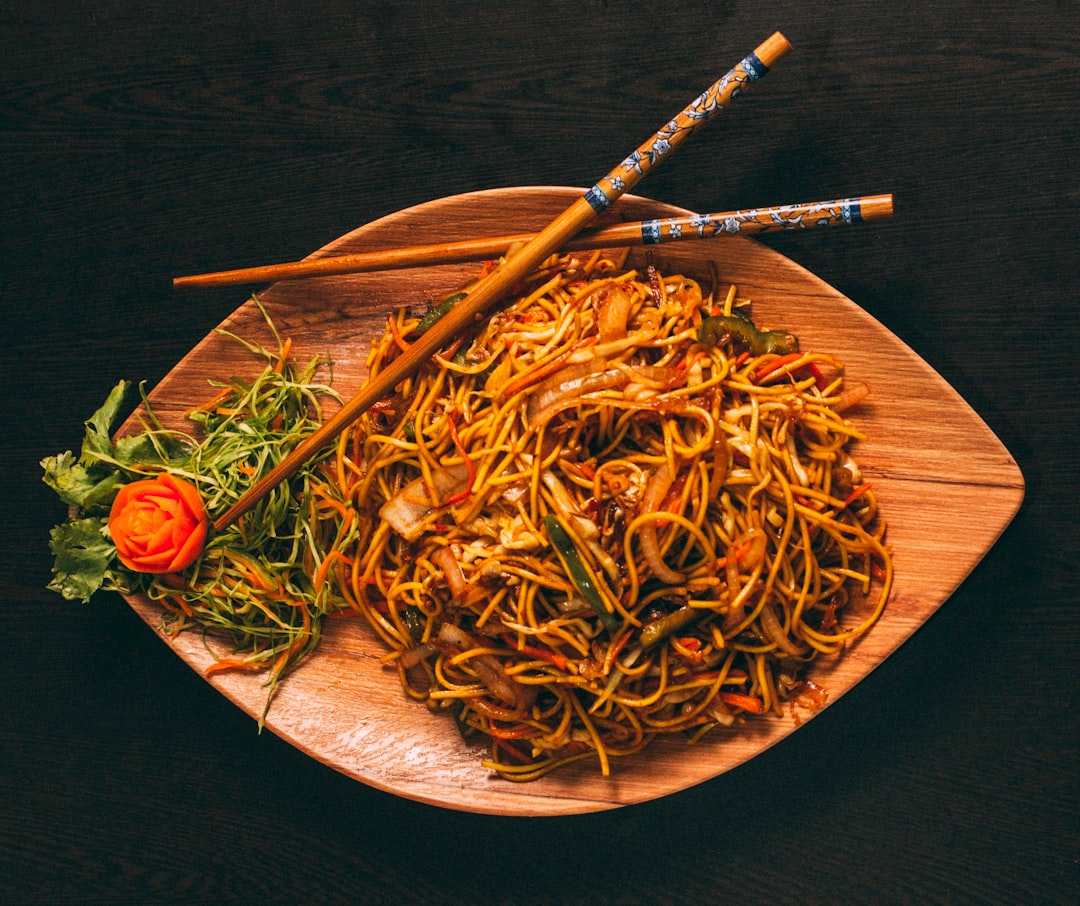 Old Beijing Restaurants
Thick wheat noodles topped with savory soybean paste, minced pork, and fresh vegetables. Beijing's beloved comfort food.
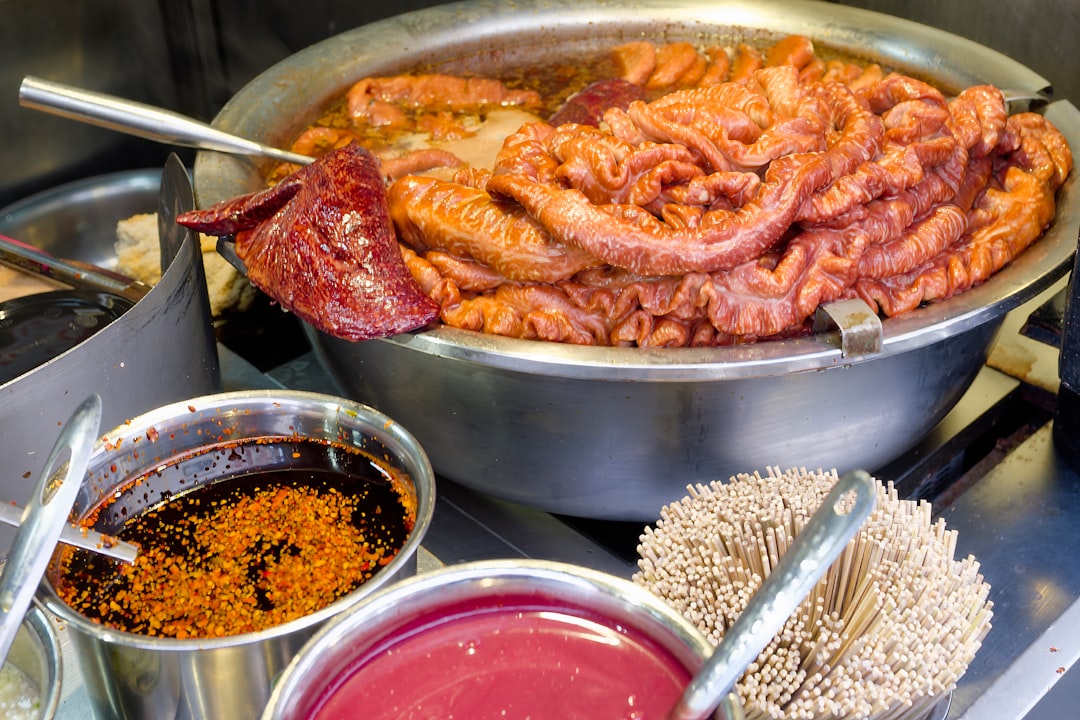 Haidilao, Local Favorites
Communal dining experience with bubbling broth, thinly sliced lamb, fresh vegetables, and flavorful dipping sauces.
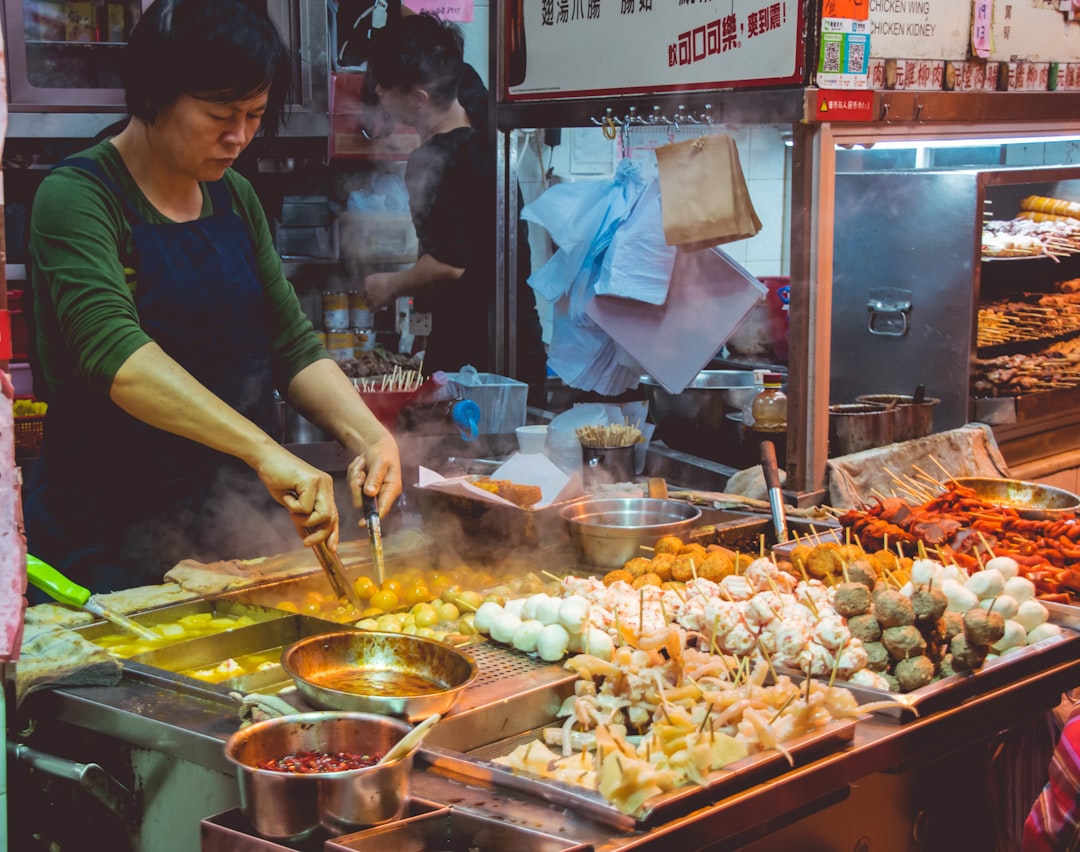 Street Vendors, Wangfujing
A crispy crepe filled with egg, scallions, cilantro, and crunchy fried crackers. Beijing's favorite breakfast on-the-go.
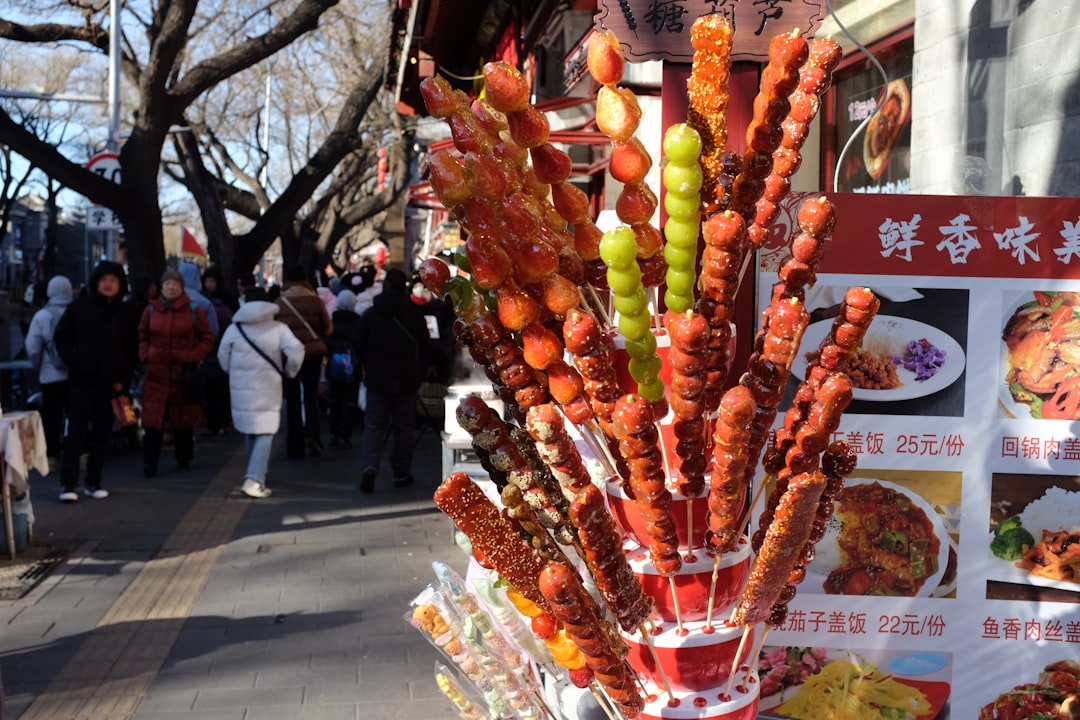 Night Markets, Wangfujing
Colorful candied hawthorn berries on bamboo skewers with a glossy, crunchy sugar coating. A beloved winter street snack.
Navigate China's capital with ease using these reliable transportation options
Get a personalized itinerary crafted by our Beijing travel specialists
Everything you need to know before your Beijing adventure
Most visitors require a visa to enter China. However, 144-hour visa-free transit is available for citizens of 53 countries when traveling through Beijing. For longer stays, apply for an L (tourist) visa through your nearest Chinese embassy or consulate at least one month before travel. We can provide invitation letters to support your application.
Spring (April to May) and Autumn (September to October) are ideal, with mild temperatures, clear skies, and minimal rainfall. Summer (June to August) is hot and humid but offers longer daylight hours. Winter (November to March) is cold but less crowded, with enchanting snow-covered landscapes at the Great Wall.
The Chinese Yuan (CNY/¥) is the official currency. Tipping is not customary or expected in mainland China, though it's becoming more common at high-end hotels and restaurants that cater to international visitors. Service charges are typically included in bills at upscale establishments.
Beijing is generally very safe for tourists with low crime rates. Exercise normal precautions like safeguarding valuables in crowded areas. Tap water is not recommended for drinking—stick to bottled water. Air quality has improved significantly but check daily AQI if you have respiratory sensitivities.
Pack comfortable walking shoes for exploring the Great Wall and hutongs. Bring layers as temperatures can vary significantly between day and night. A reusable face mask is useful during sandstorm season (March-April). Don't forget a universal power adapter (Type A, C, or I plugs) and any prescription medications in original packaging.
Chinese New Year (late Jan/early Feb) and Golden Week (October 1-7) are extremely busy with domestic tourists—book well in advance. The Spring Festival sees many businesses closed. Labor Day (May 1) and Mid-Autumn Festival also bring increased crowds. Consider traveling just before or after these periods for better rates and fewer crowds.
From the Great Wall to hidden hutongs, let us craft your perfect journey through China's magnificent capital
Start Planning Today