China Made Yours logo
  • Home
  • Destinations
    • Beijing
    • Chaoshan
    • Chongqing
    • Guilin
    • Guizhou
    • Harbin
    • Qinghai & Gansu
    • Xiamen
    • Xi'an
    • Xinjiang
    • Yunnan
    • Zhangjiajie
  • Travel Style
  • Photo Gallery
  • About Us
  • Contact Us
  • Stories
  • English
  • 中文(简体)
  • 中文(繁體)
Get Quote
China Made Yours logo

Custom China tours crafted for global and domestic travelers. Explore Tibet, Xinjiang, Chengdu, Zhangjiajie, Beijing, Shanghai, and Guilin with 200+ bilingual consultants, 24/7 support, and fully insured private & group packages.

Destinations

  • Tibet Tours
  • Xinjiang Travel
  • Chengdu Tours
  • Zhangjiajie Tours
  • Beijing Tours
  • Shanghai Travel
  • Guilin Tours

Services

  • Private Tours
  • Group Packages
  • Chartered Cars
  • Custom Itineraries
  • Hiking & Cycling
  • Cruise Tours

Contact Us

+86 181 4330 2335
+86 181 4330 2335
Chengdu, China
info@chinamadeyours.com

© 2026 China Made Yours. All rights reserved.

  • Privacy Policy
  • Terms of Service
  • Travel Blog
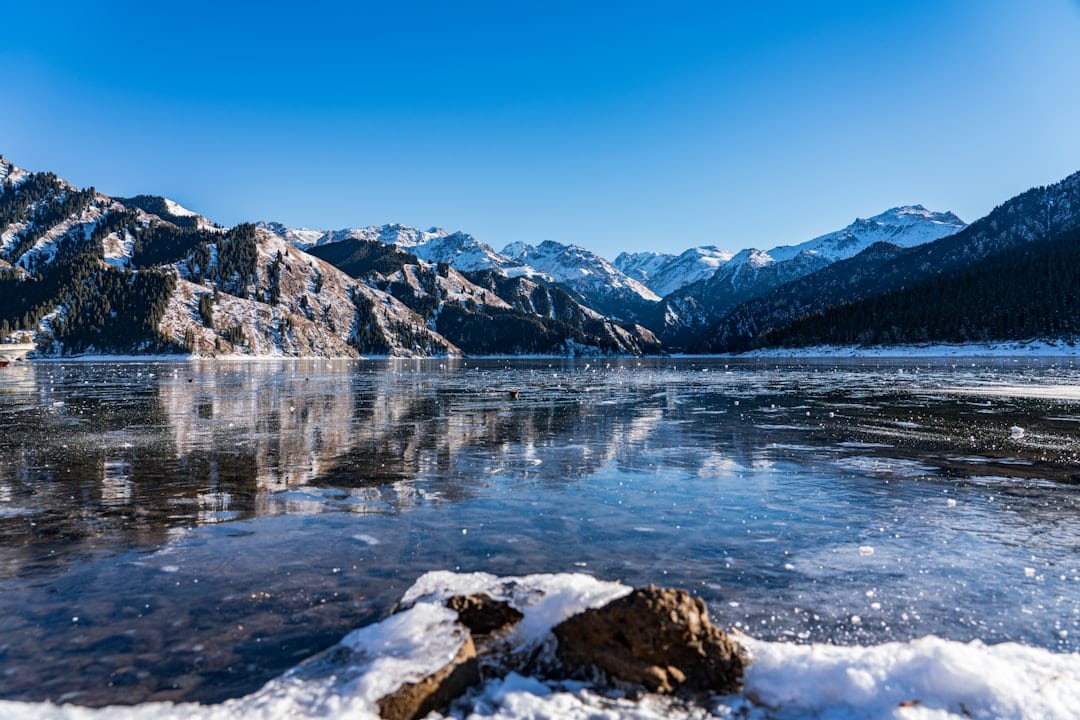
Tianshan Tianchi Lake - Snow-capped mountains reflected in crystal clear waters
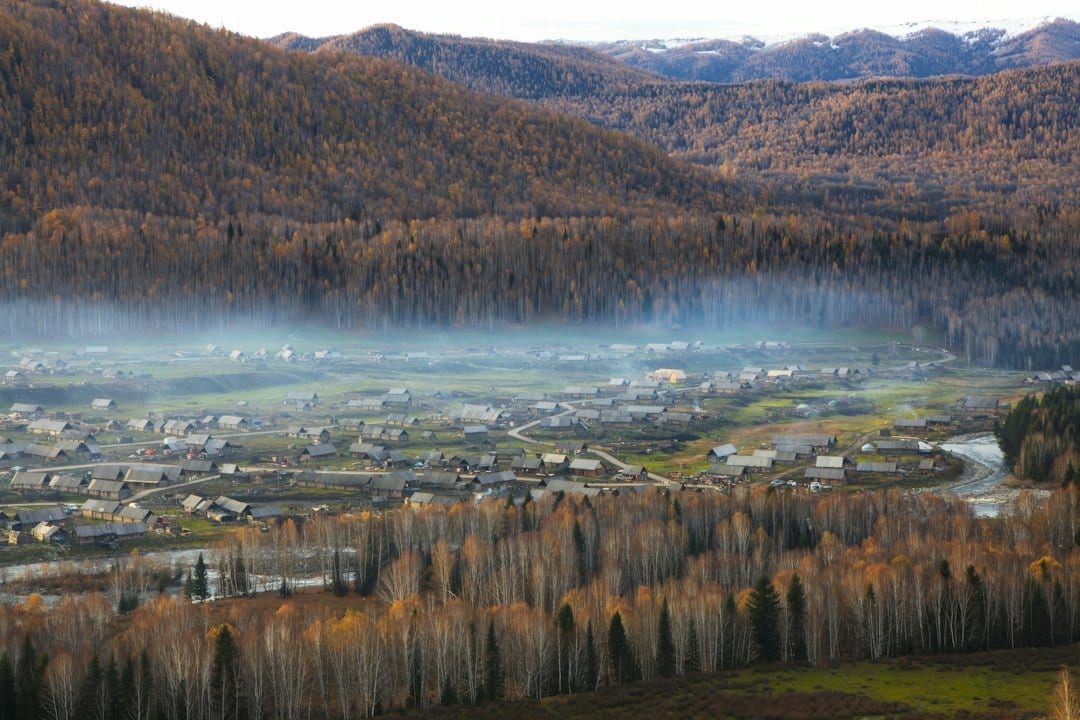
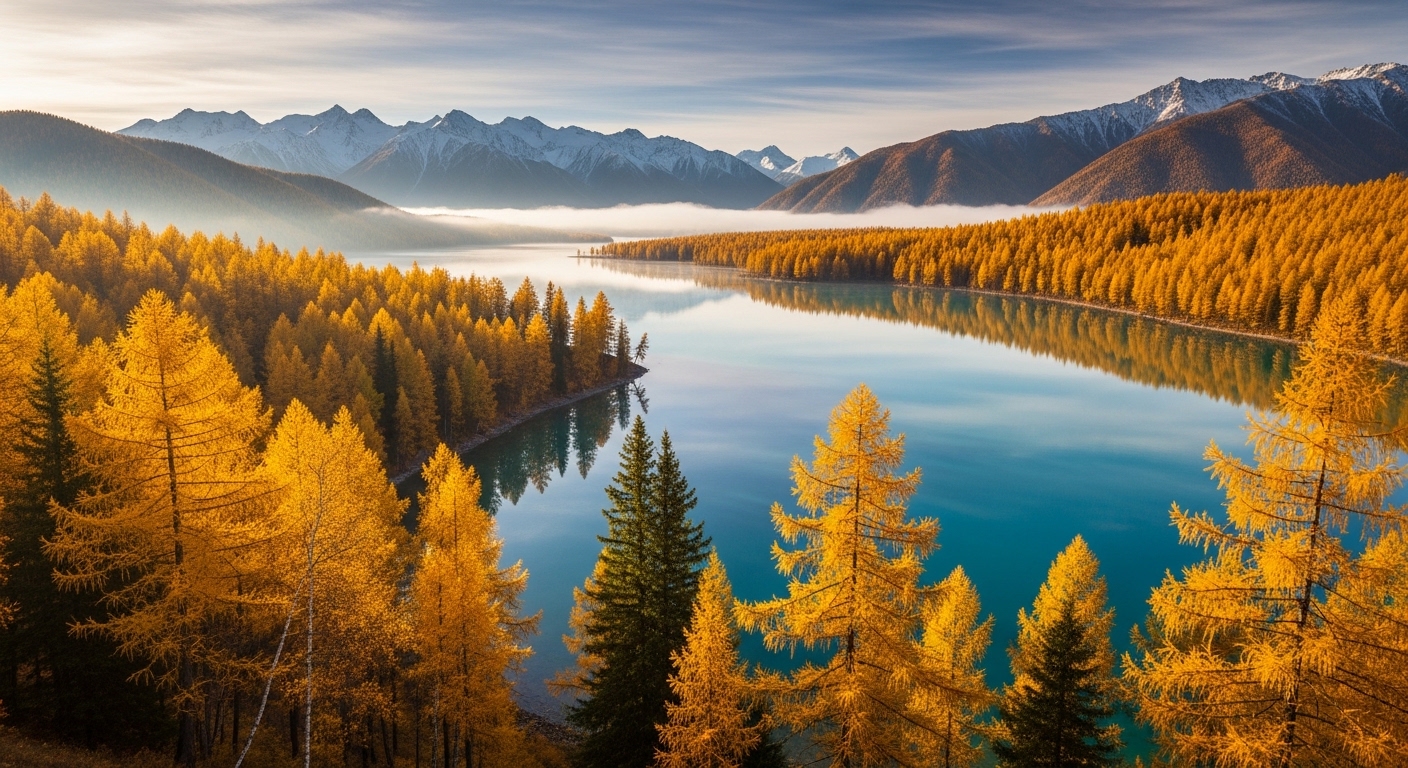
Kanas Lake - Autumn morning mist with golden forest reflections
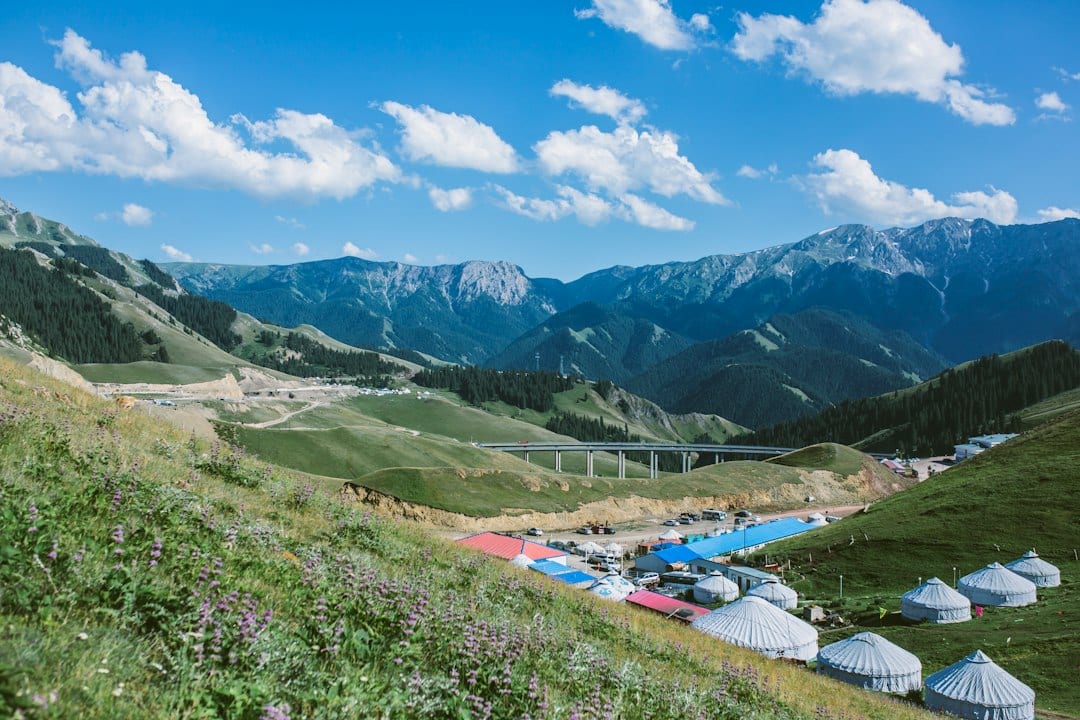
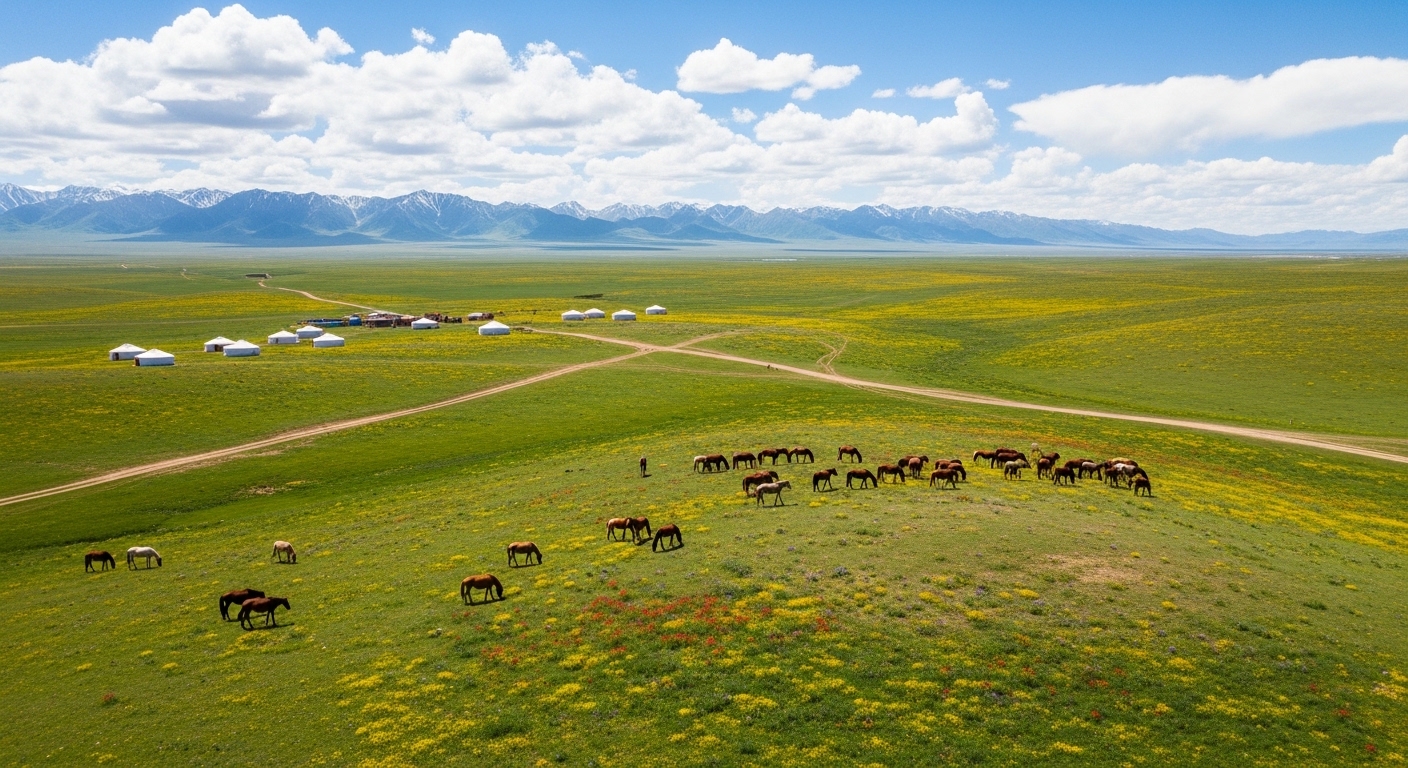
Nalati Grassland - Aerial view of endless alpine meadows
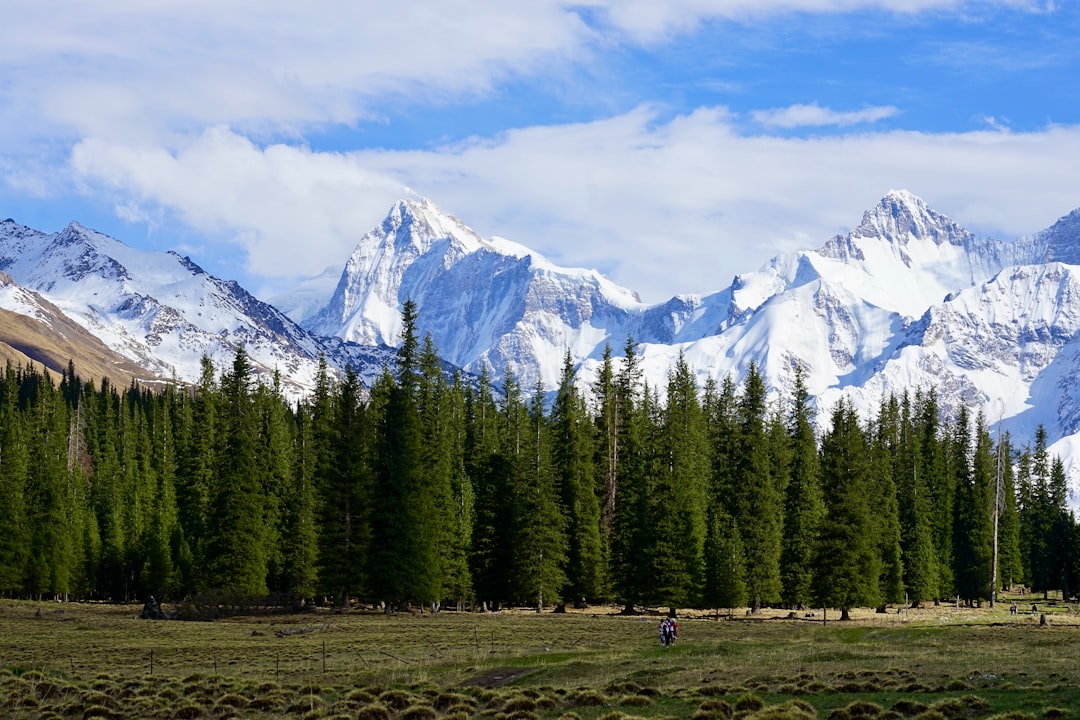
Sayram Lake - Sapphire blue waters reflecting snow-capped peaks
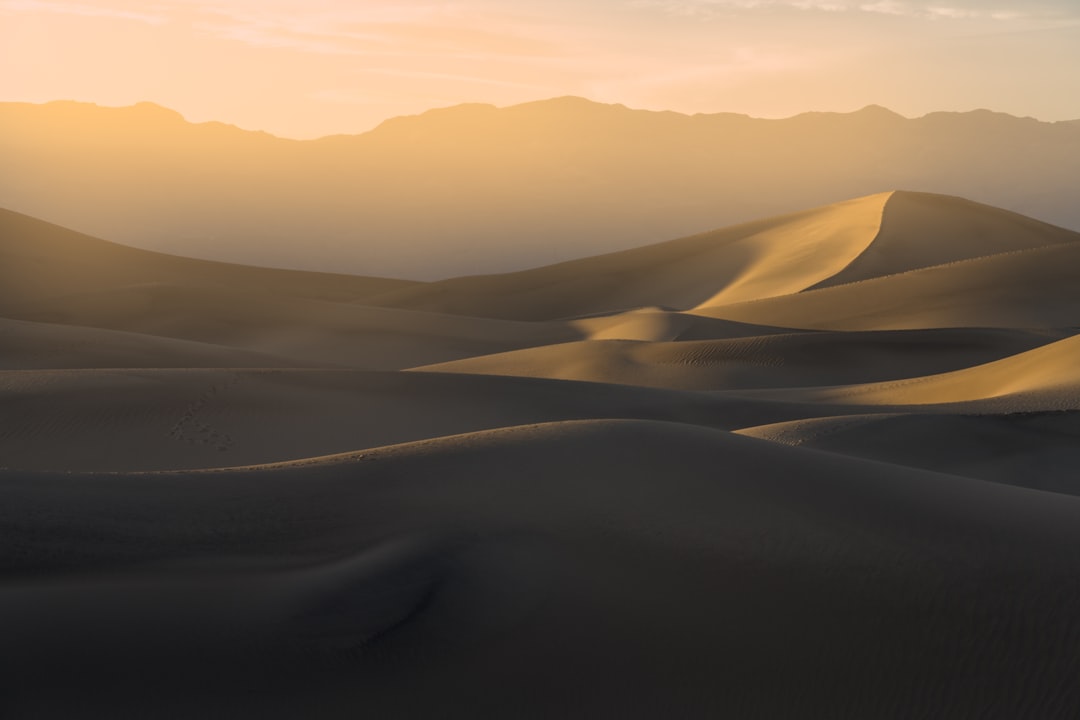
Taklamakan Desert - Golden sand dunes at sunset

Tianshan Tianchi Lake

A pristine alpine lake surrounded by snow-capped peaks—a heavenly paradise on Earth

Kanas Lake

God's backyard garden—a fairytale world of golden forests in autumn

Nalati Grassland

Magnificent paintings of the sky grassland—a free paradise where horses gallop

Sayram Lake

The last teardrop of the Atlantic—shimmering sapphire jewel of the plateau

Taklamakan Desert

The mysterious charm of the Sea of Death—endless golden sands stretching to the horizon

View All Itineraries Plan Your Journey

Explore Xinjiang

A brilliant pearl on the Silk Road—a magnificent tapestry where nature and culture intertwine

Why Visit Xinjiang

Unique natural landscapes—snow mountains, grasslands, deserts, and lakes; diverse cultures—Uyghur, Kazakh, and other ethnic traditions

Best Time to Visit

June to October is the ideal travel season with pleasant weather, fragrant fruits, emerald grasslands, and enchanting autumn colors

Recommended Duration

We recommend 7-14 days for an in-depth experience, allowing you to fully appreciate Northern Xinjiang's natural scenery and Southern Xinjiang's cultural heritage

Practical Information

Currency: Chinese Yuan (CNY)
Language: Mandarin primarily, with Uyghur spoken in some regions

Curated Xinjiang Itineraries

Hand-crafted journeys through Northern Xinjiang's lakes, grasslands, and Silk Road heritage. Choose a route, then let our consultants personalize every detail.

First Glance at Northern Xinjiang 10-Day Tour

First Glance at Northern Xinjiang 10-Day Tour

Explore Northern Xinjiang over 10 days: Kanas Lake, Tianshan grasslands, Ghost City, and Urumqi. Private guided tour with custom itinerary.

10 Days View Itinerary
Northern Xinjiang 2+1 Pure Play Tour

Northern Xinjiang 2+1 Pure Play Tour

Explore Kanas Lake, Tianshan, and grasslands on an 8-day Northern Xinjiang small-group tour. No shopping stops, certified guides, all-inclusive.

8 Days View Itinerary
Altay 7-Day Itinerary

Altay 7-Day Itinerary

A 7-day journey through Altay's Kanas Lake, Hemu Village, and boundless grasslands. Explore Xinjiang's most pristine wilderness with expert guides.

7 Days View Itinerary

Top Attractions

Explore Xinjiang's most spectacular natural wonders and cultural heritage sites

Tianshan Tianchi Lake - Snow-capped mountains and crystal lake Recommended: 3-4 hours

Tianshan Tianchi Lake

A stunning alpine lake at the foot of Bogda Peak, with crystal-clear waters surrounded by snow-capped mountains—known as the "Heavenly Lake Wonderland."

Kanas Lake is like a flawless bright jade laying under white clouds blue sky. Recommended: 1-2 days

Kanas Lake

A mysterious color-changing lake surrounded by golden forests in autumn, dotted with Tuvan villages—a landscape that resembles paradise on earth.
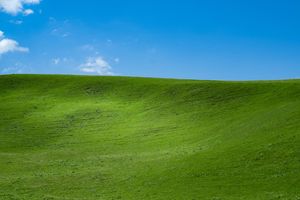
Windows XP vibe, shot from Nalati, Xinjiang, China Recommended: Half to 1 day

Nalati Grassland

One of the world's four great grasslands, where snow mountains, forests, and meadows blend harmoniously—a traditional pasture for Kazakh herders.
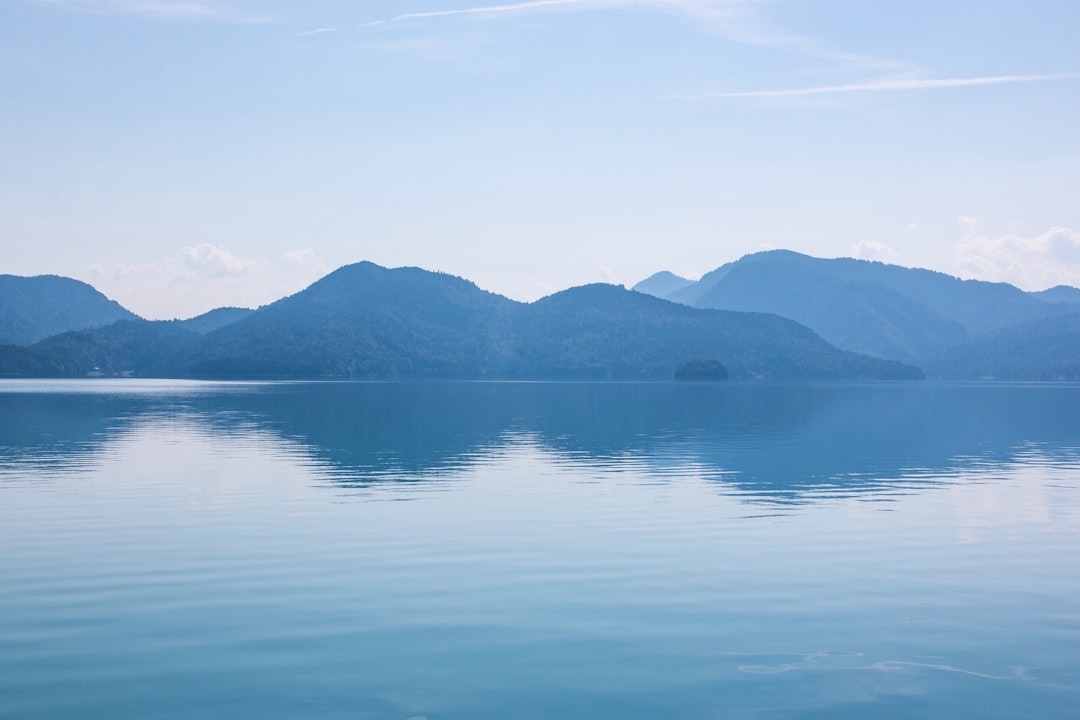
Sayram Lake - Sapphire blue waters Recommended: 2-3 hours

Sayram Lake

Xinjiang's highest and largest alpine cold-water lake, with sapphire-blue waters like precious gems—known as "The Last Teardrop of the Atlantic."
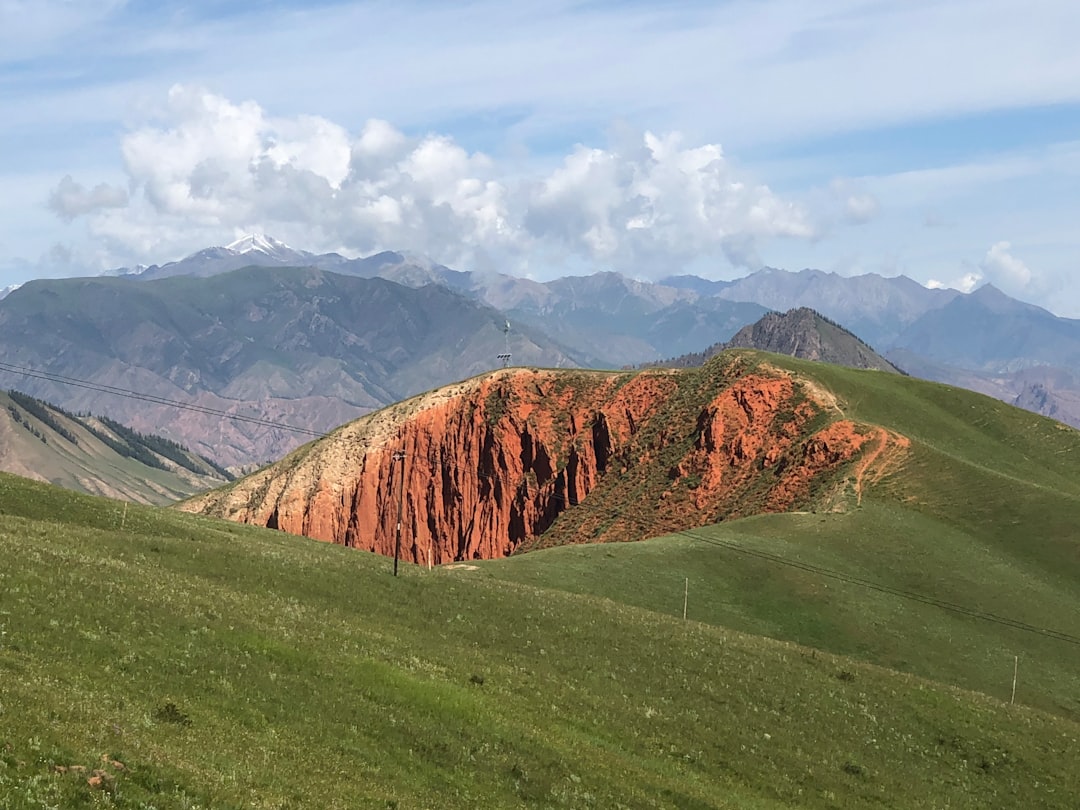
Flaming Mountains - Red sandstone landscape Recommended: 2-3 hours

Turpan Flaming Mountains

The filming location for "Journey to the West," where red sandstone mountains appear to burn like flames in the sunlight—experience the unique charm of China's hottest place.
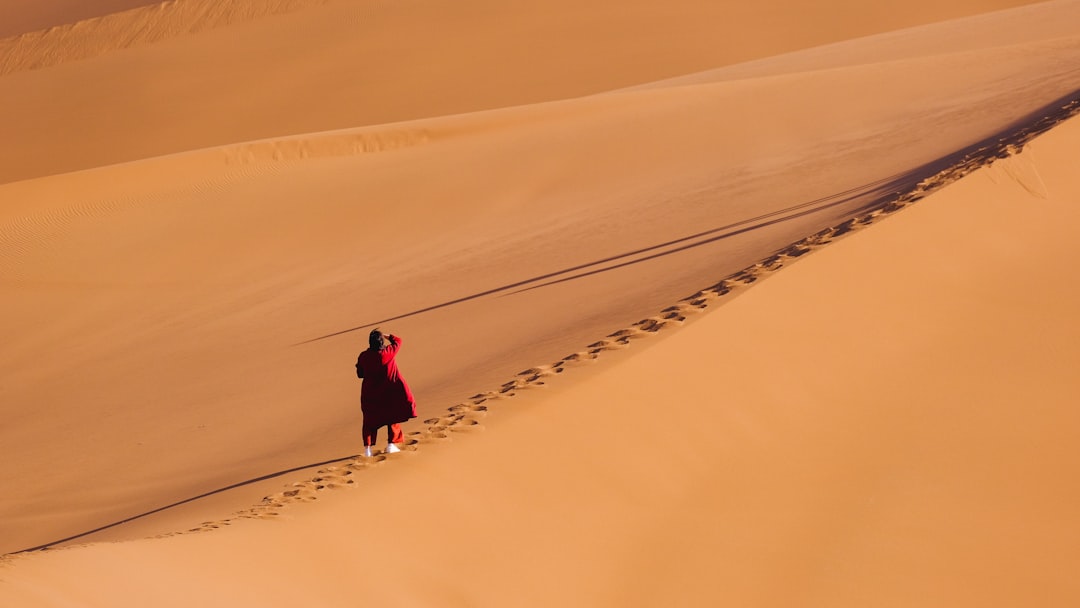
Kumtag Desert - Golden sand dunes Recommended: 3-4 hours

Kumtag Desert

The world's closest desert to a city, with rolling golden sand dunes where you can experience camel riding and desert surfing.

Xinjiang Cuisine

Savor the distinctive flavors of Silk Road cuisine and experience the rich tastes of Xinjiang
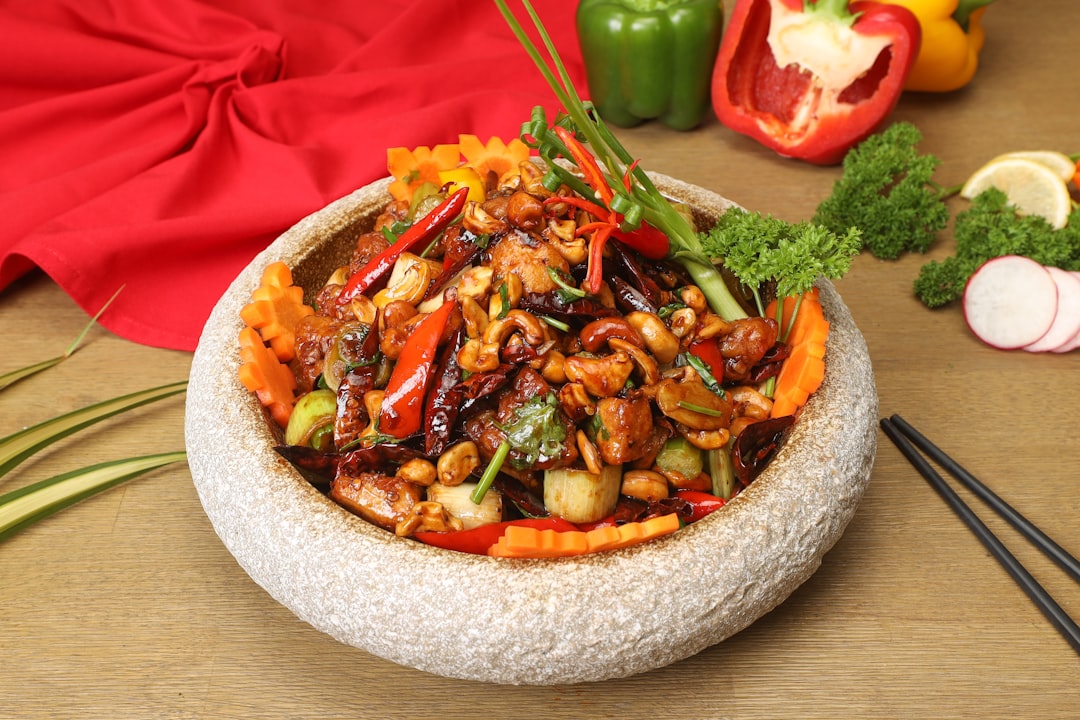
Xinjiang Big Plate Chicken - Spicy chicken with potatoes

Big Plate Chicken

A Xinjiang signature dish featuring tender chicken with potatoes and bell peppers, served with belt noodles. Recommended at local restaurants in Urumqi and Changji.
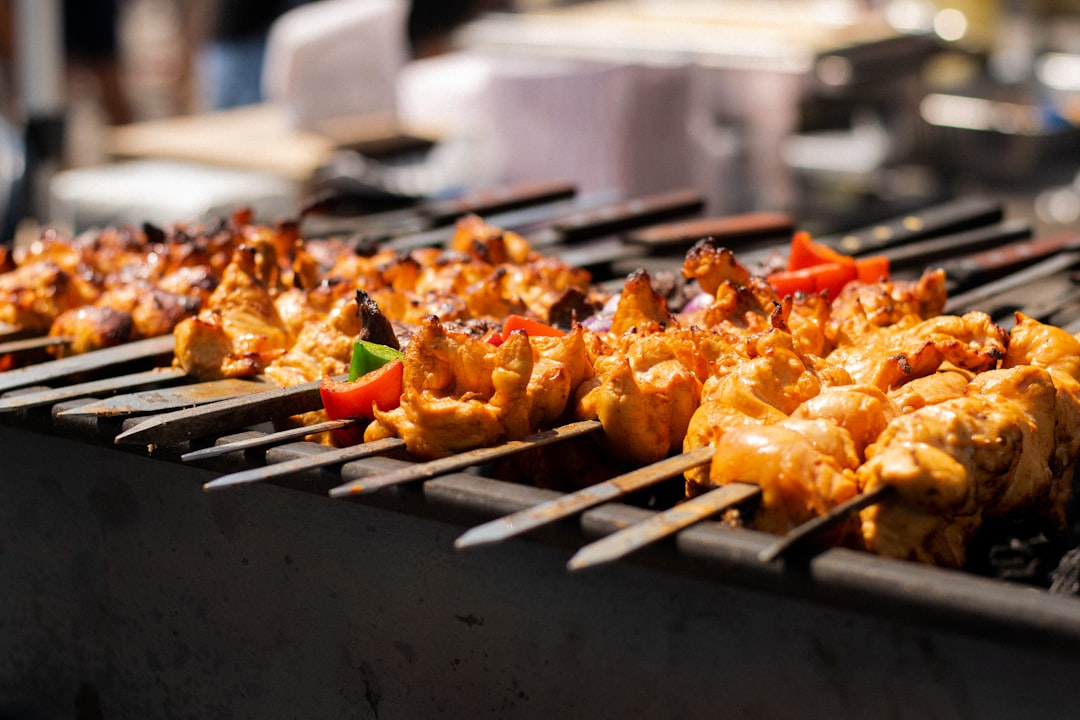
Xinjiang Lamb Kebabs - Grilled meat skewers

Lamb Kebabs

Xinjiang's most iconic delicacy—succulent lamb grilled to golden perfection and seasoned with cumin and chili powder, filling the air with irresistible aroma.
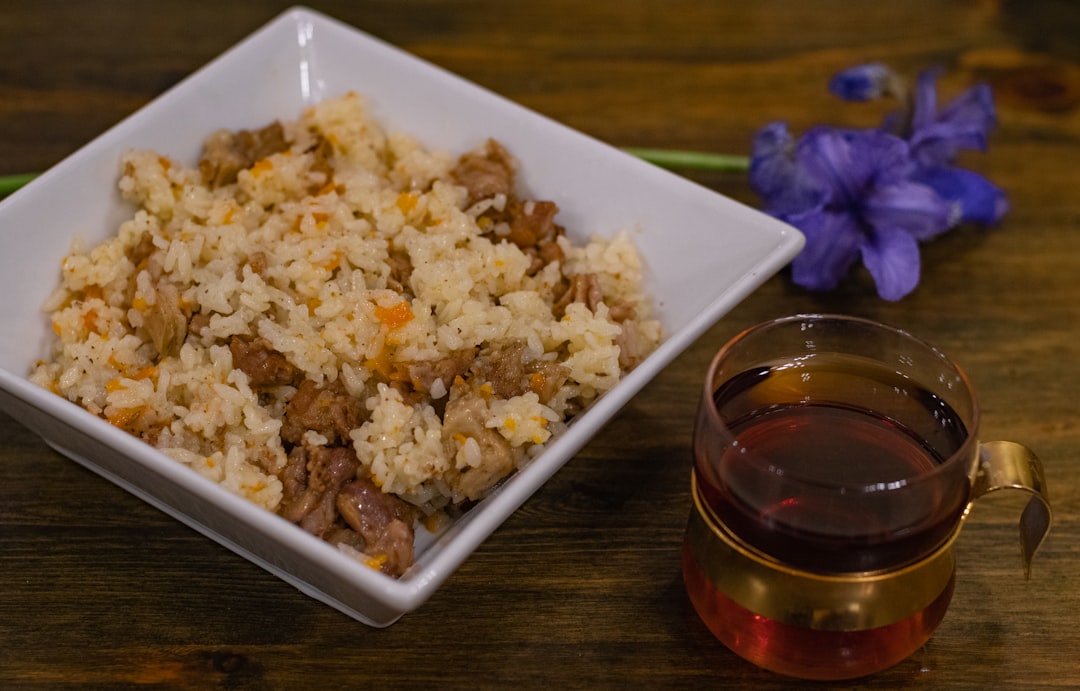
Pilaf - Traditional rice dish with lamb and carrots

Pilaf (Hand-grabbed Rice)

A traditional Uyghur dish of rice braised with lamb, carrots, and onions—shimmering with oil and rich in nutrients.
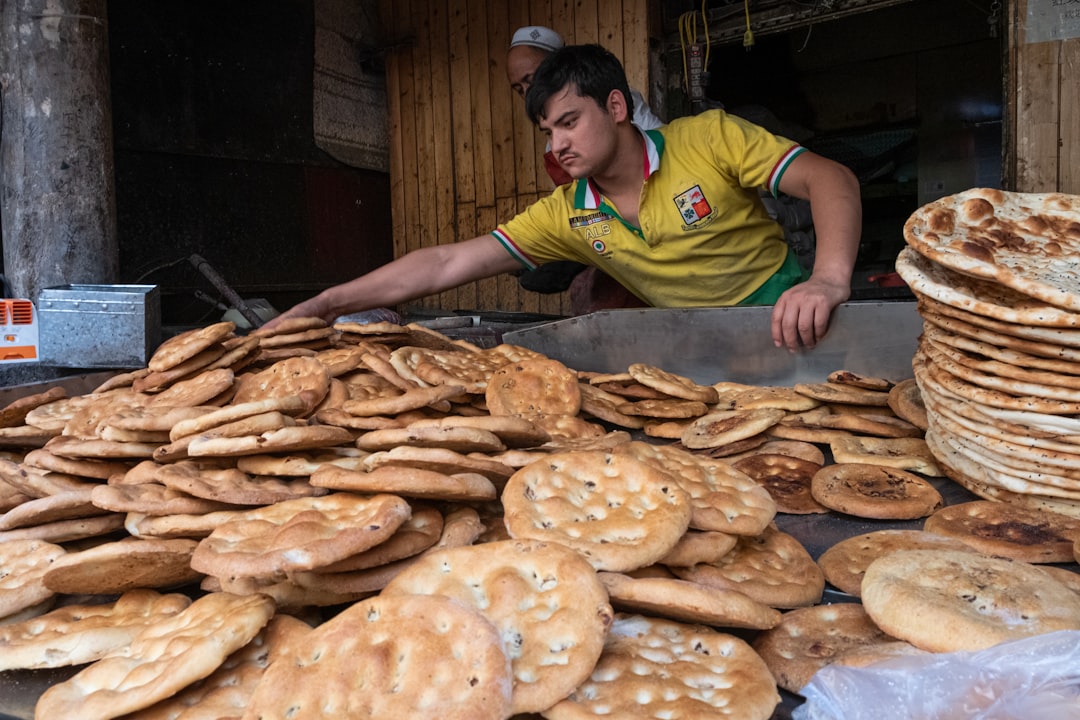
Nang Bread - Traditional Xinjiang flatbread

Nang Bread

A staple food for Xinjiang people, available in many varieties including sesame and onion Nang—crispy outside, soft inside, and perfect for travel.

Baked Buns - Crispy meat-filled pastries

Baked Buns

With crispy exterior and filling of lamb cubes and onions, baked in a traditional tandoor—the most popular street snack in Xinjiang.
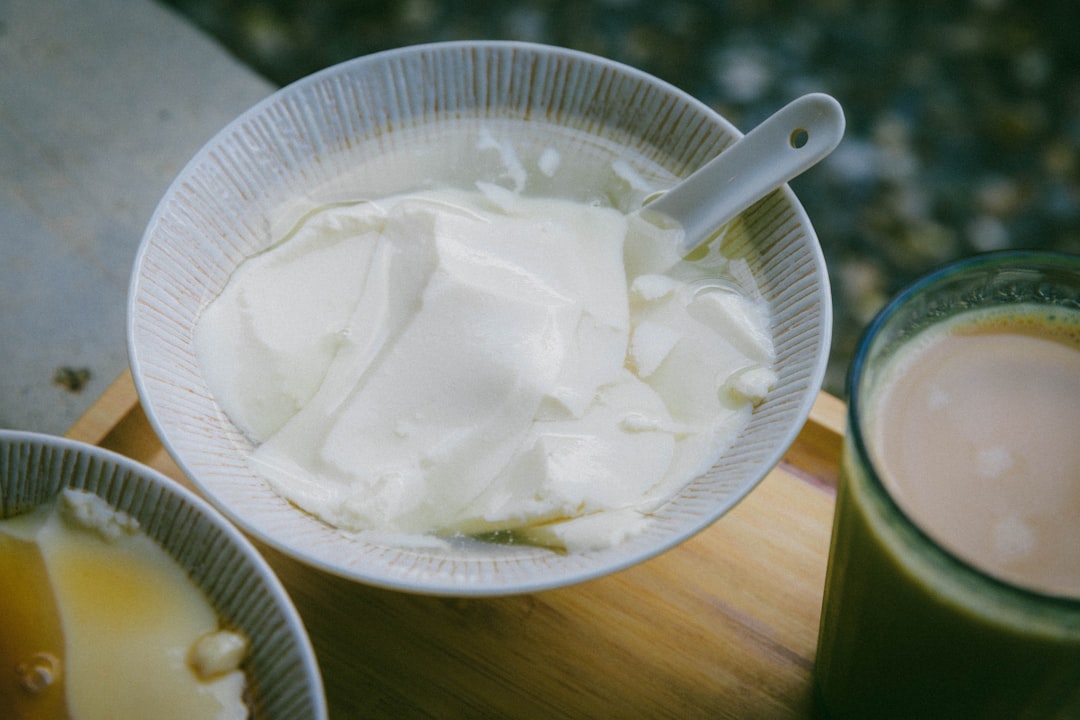
Handmade Yogurt - Traditional fermented yogurt

Handmade Yogurt

Traditional Xinjiang fermented yogurt with thick, creamy texture and balanced sweet-tart flavor—often enjoyed with honey or nuts, perfect for cooling down.

Getting Around

Learn how to reach Xinjiang and navigate the region with ease

How to Get to Xinjiang

  • By Air: Urumqi Diwopu International Airport is the main gateway with direct flights from major cities
  • By Train: The Lanzhou-Xinjiang High-Speed Railway offers spectacular scenery along the way
  • By Bus: Suitable for entering from neighboring Gansu and Qinghai provinces

Local Transportation

  • Private Car/Charter: Most recommended for flexibility and freedom, ideal for small groups
  • Self-Drive: Roads in Xinjiang are well-maintained, but plan for gas station distances and navigation
  • Public Transport: Buses available between cities but with limited schedules—plan ahead

Recommended Routes

  • Northern Xinjiang Loop: Urumqi → Tianchi → Keketuohai → Kanas → Hemu → Burqin
  • Southern Xinjiang Route: Urumqi → Turpan → Korla → Kuqa → Kashgar
  • Ili Route: Urumqi → Sayram Lake → Huocheng → Nalati → Bayanbulak

Trip Inquiry

Fill out the form below and our travel consultants will craft your personalized Xinjiang journey

We will respond to your inquiry within 24 hours

Frequently Asked Questions

Common questions and answers about traveling to Xinjiang

Chinese citizens can travel to Xinjiang with a valid ID card—no additional visa required. Foreign visitors must hold a valid Chinese visa (L-type tourist visa) to enter Xinjiang. Some border areas (such as Baihaba Village in Kanas and Tashkurgan) require a border permit, which can be obtained at local police stations or through travel agencies.
June to October is the best season for visiting Xinjiang. June-July brings blooming flowers and emerald grasslands to Ili; August-September is harvest season for melons and fruits—the perfect time to taste Hami melons and grapes; September-October showcases the most spectacular autumn colors in Northern Xinjiang, with golden scenery at Kanas and Hemu. Winter (November-March) is ideal for skiing in Altay and experiencing ice and snow landscapes.
Xinjiang uses the Chinese Yuan (CNY). Mobile payments (WeChat Pay and Alipay) are widely accepted in cities and major tourist areas, but carry cash when visiting remote regions. Tipping is not customary in Xinjiang—restaurants and hotels typically include service charges. While not expected, you may offer a small tip for exceptional service as a gesture of appreciation.
Xinjiang is one of the safest regions in China with excellent public security. When traveling, please keep these tips in mind: 1) Carry your ID at all times and cooperate with security checks; 2) Respect local ethnic customs—dress modestly when visiting mosques; 3) Prepare for large temperature differences between day and night; 4) Protect against sun exposure and altitude sickness in highland areas; 5) Download offline maps as mobile signal may be weak in some areas.
Recommended packing list: 1) Sun protection: high-SPF sunscreen (SPF50+), sunglasses, wide-brimmed hat, and sun-protective clothing; 2) Warm layers: windbreaker and fleece jacket (even in summer, mountain areas get cold at night); 3) Comfortable footwear: hiking shoes or sneakers—avoid brand new shoes; 4) Personal medications: cold medicine, digestive aids, and band-aids; 5) Moisturizing products: lip balm and moisturizer are essential due to Xinjiang's dry climate.
In addition to national holidays, Xinjiang observes local ethnic festivals including Eid al-Adha (10th day of 12th month in Islamic calendar) and Eid al-Fitr (1st day of 10th month in Islamic calendar). During these festivals, some shops and restaurants may adjust their operating hours. Note that while Xinjiang uses Beijing Time, the actual daily schedule is approximately 2 hours behind eastern China (in summer, it doesn't get dark until 22:00), so plan your itinerary accordingly.
Most areas of Xinjiang are at moderate elevations, and the majority of travelers do not experience altitude sickness. Urumqi sits at around 800 meters, while Turpan is actually below sea level. However, some high-altitude destinations such as Tashkurgan (over 3,000 meters), the Karakoram Highway, and certain mountain passes can cause mild symptoms like shortness of breath or headache. If you plan to visit these areas, we recommend acclimatizing gradually, staying well hydrated, avoiding strenuous exercise on the first day, and consulting your doctor if you have heart or respiratory conditions.
Most popular tourist areas in Xinjiang do not require a special permit. However, border regions such as Tashkurgan County, Khunjerab Pass, and parts of the Kanas area including Baihaba Village do require a Border Defense Permit. The good news is that this permit is usually arranged by your travel agency as part of your itinerary, or you can apply at the local Public Security Bureau with your passport or ID. We handle the paperwork for you on our guided tours, so you can focus on enjoying the scenery.
Xinjiang is a multicultural region home to many ethnic groups, and respecting local customs will make your trip smoother and more rewarding. Many local residents follow halal dietary practices, so pork and alcohol are not consumed in halal restaurants. When visiting mosques or entering local homes, dress modestly and remove your shoes when asked. Always ask permission before photographing people. During religious observances such as Ramadan, avoid eating or drinking in public during daylight hours out of respect.
Xinjiang has a continental climate with strong sunshine, dry air, and big day-night temperature differences. Even in summer, mountain areas like Kanas and Sayram Lake can be chilly in the early morning and evening. We recommend packing layers: a lightweight down jacket or fleece, long-sleeved sun-protective clothing, a wide-brimmed hat, sunglasses, and SPF50+ sunscreen. A scarf can be useful for wind and dust protection. In winter, temperatures can drop well below freezing, so bring a heavy coat, thermal underwear, warm boots, and moisturizing skincare products.

FAQ (English)

English-language answers to common questions about traveling to Xinjiang

Chinese citizens can travel to Xinjiang with a valid ID card—no additional visa required. Foreign visitors must hold a valid Chinese visa (L-type tourist visa) to enter Xinjiang. Some border areas (such as Baihaba Village in Kanas and Tashkurgan) require a border permit, which can be obtained at local police stations or through travel agencies.
June to October is the best season for visiting Xinjiang. June-July brings blooming flowers and emerald grasslands to Ili; August-September is harvest season for melons and fruits—the perfect time to taste Hami melons and grapes; September-October showcases the most spectacular autumn colors in Northern Xinjiang, with golden scenery at Kanas and Hemu. Winter (November-March) is ideal for skiing in Altay and experiencing ice and snow landscapes.
Xinjiang uses the Chinese Yuan (CNY). Mobile payments (WeChat Pay and Alipay) are widely accepted in cities and major tourist areas, but carry cash when visiting remote regions. Tipping is not customary in Xinjiang—restaurants and hotels typically include service charges. While not expected, you may offer a small tip for exceptional service as a gesture of appreciation.
Xinjiang is one of the safest regions in China with excellent public security. When traveling, please keep these tips in mind: 1) Carry your ID at all times and cooperate with security checks; 2) Respect local ethnic customs—dress modestly when visiting mosques; 3) Prepare for large temperature differences between day and night; 4) Protect against sun exposure and altitude sickness in highland areas; 5) Download offline maps as mobile signal may be weak in some areas.
Recommended packing list: 1) Sun protection: high-SPF sunscreen (SPF50+), sunglasses, wide-brimmed hat, and sun-protective clothing; 2) Warm layers: windbreaker and fleece jacket (even in summer, mountain areas get cold at night); 3) Comfortable footwear: hiking shoes or sneakers—avoid brand new shoes; 4) Personal medications: cold medicine, digestive aids, and band-aids; 5) Moisturizing products: lip balm and moisturizer are essential due to Xinjiang's dry climate.
In addition to national holidays, Xinjiang observes local ethnic festivals including Eid al-Adha (10th day of 12th month in Islamic calendar) and Eid al-Fitr (1st day of 10th month in Islamic calendar). During these festivals, some shops and restaurants may adjust their operating hours. Note that while Xinjiang uses Beijing Time, the actual daily schedule is approximately 2 hours behind eastern China (in summer, it doesn't get dark until 22:00), so plan your itinerary accordingly.
Most areas of Xinjiang are at moderate elevations, and the majority of travelers do not experience altitude sickness. Urumqi sits at around 800 meters, while Turpan is actually below sea level. However, some high-altitude destinations such as Tashkurgan (over 3,000 meters), the Karakoram Highway, and certain mountain passes can cause mild symptoms like shortness of breath or headache. If you plan to visit these areas, we recommend acclimatizing gradually, staying well hydrated, avoiding strenuous exercise on the first day, and consulting your doctor if you have heart or respiratory conditions.
Most popular tourist areas in Xinjiang do not require a special permit. However, border regions such as Tashkurgan County, Khunjerab Pass, and parts of the Kanas area including Baihaba Village do require a Border Defense Permit. The good news is that this permit is usually arranged by your travel agency as part of your itinerary, or you can apply at the local Public Security Bureau with your passport or ID. We handle the paperwork for you on our guided tours, so you can focus on enjoying the scenery.
Xinjiang is a multicultural region home to many ethnic groups, and respecting local customs will make your trip smoother and more rewarding. Many local residents follow halal dietary practices, so pork and alcohol are not consumed in halal restaurants. When visiting mosques or entering local homes, dress modestly and remove your shoes when asked. Always ask permission before photographing people. During religious observances such as Ramadan, avoid eating or drinking in public during daylight hours out of respect.
Xinjiang has a continental climate with strong sunshine, dry air, and big day-night temperature differences. Even in summer, mountain areas like Kanas and Sayram Lake can be chilly in the early morning and evening. We recommend packing layers: a lightweight down jacket or fleece, long-sleeved sun-protective clothing, a wide-brimmed hat, sunglasses, and SPF50+ sunscreen. A scarf can be useful for wind and dust protection. In winter, temperatures can drop well below freezing, so bring a heavy coat, thermal underwear, warm boots, and moisturizing skincare products.

Start Planning Your Xinjiang Journey

Let our professional travel consultants craft the perfect itinerary for you to explore this magical land

Contact Us Now