 2–3 hours
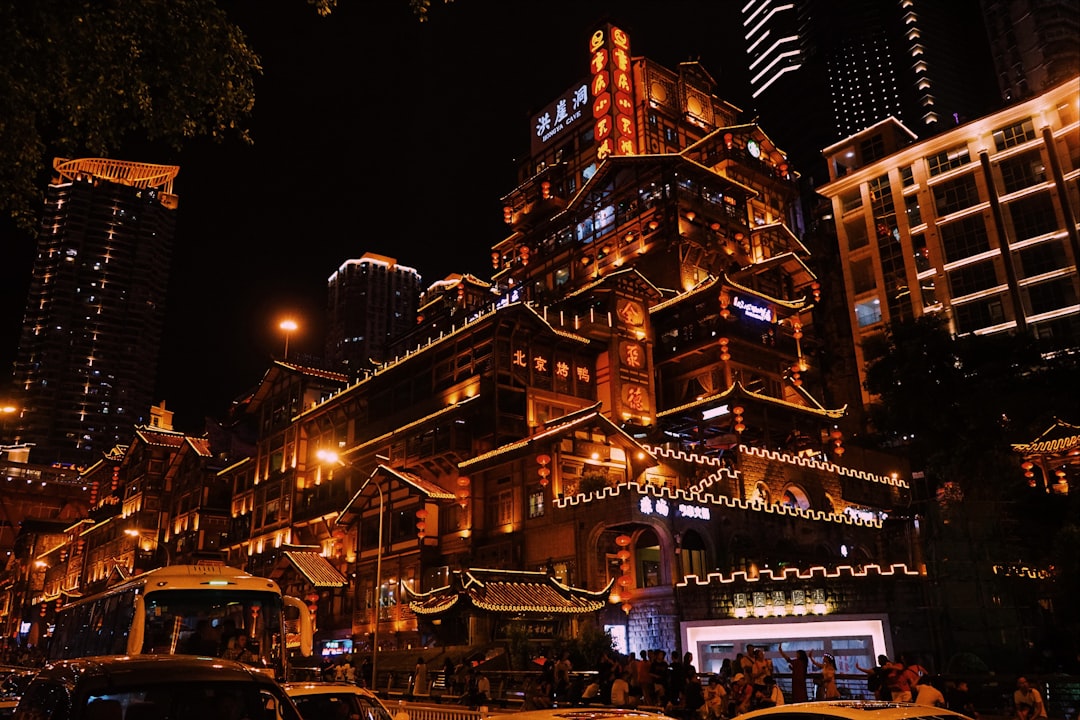
Hongya Cave
An 11-story stilt house complex built into the riverside cliff, featuring traditional Bayu architecture, restaurants, shops, and breathtaking night views.
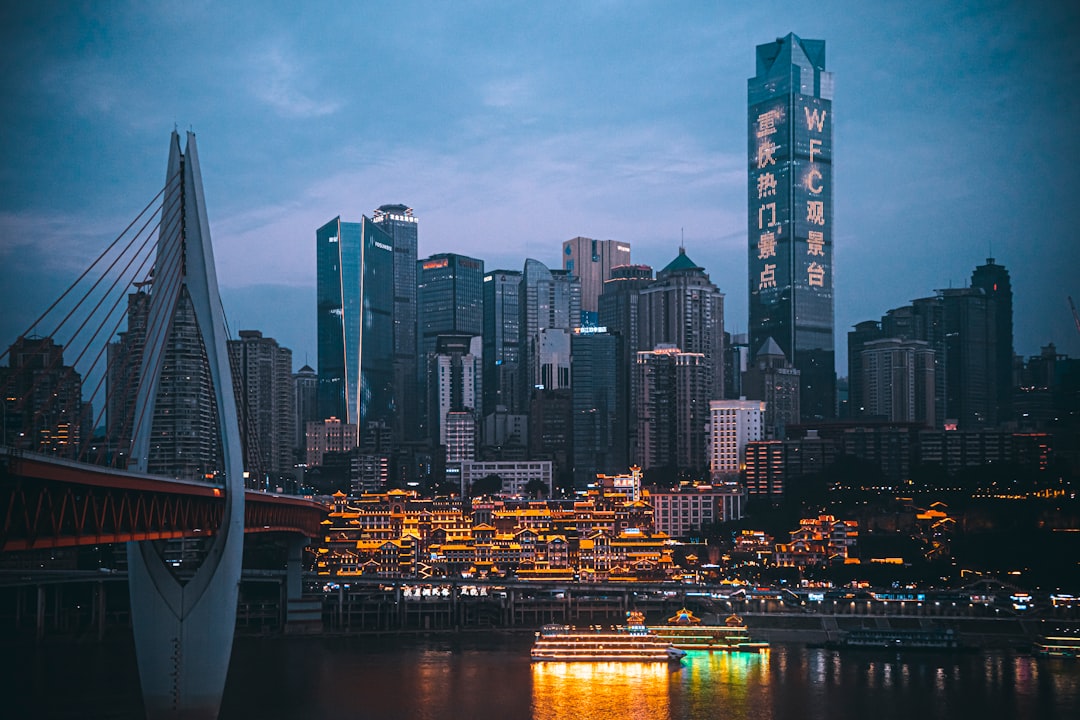
Nestled where the Yangtze and Jialing Rivers converge, Chongqing is China's surprising southwestern gem — a sprawling megacity built vertically into misty mountains, famous for its spellbinding nightscapes, fiery cuisine, and a charm that earned it the nickname "Mountain City." From the gravity-defying Hongya Cave to world-renowned hotpot that sets your taste buds ablaze, Chongqing offers an intoxicating blend of ancient tradition and futuristic urban energy.
March–May & September–November offer mild temperatures, less fog, and comfortable conditions for exploring the city's steep terrain.
3–5 days is ideal to experience the main highlights, with an extra day for a side trip to the Dazu Rock Carvings or Wulong Karst.
Chinese Yuan (CNY or RMB). Credit cards are accepted at major hotels and restaurants, but carry cash for street food and small vendors.
Mandarin is official, but locals speak the distinctive Chongqing dialect of Sichuanese. English is limited outside tourist areas — translation apps help!
2–3 hours
An 11-story stilt house complex built into the riverside cliff, featuring traditional Bayu architecture, restaurants, shops, and breathtaking night views.
 Half day
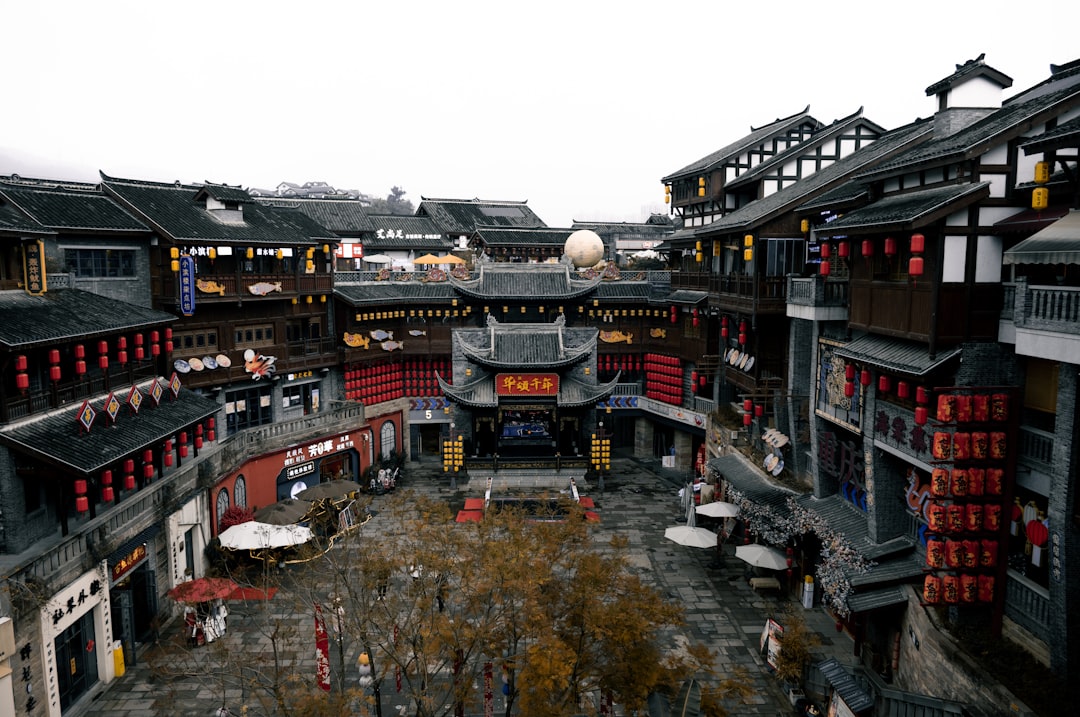
A well-preserved Ming and Qing dynasty old town with cobblestone streets, traditional tea houses, local snacks, and riverside charm.
 Full day
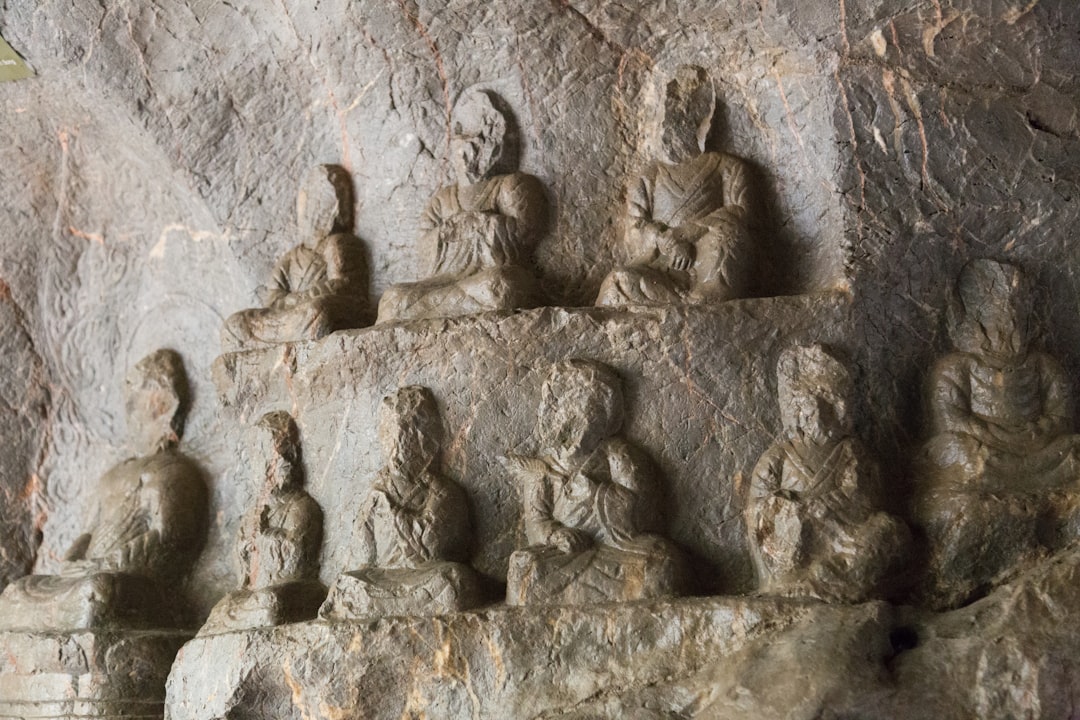
UNESCO World Heritage site featuring 50,000+ Buddhist, Confucian, and Taoist rock carvings dating from the 7th to 13th centuries.
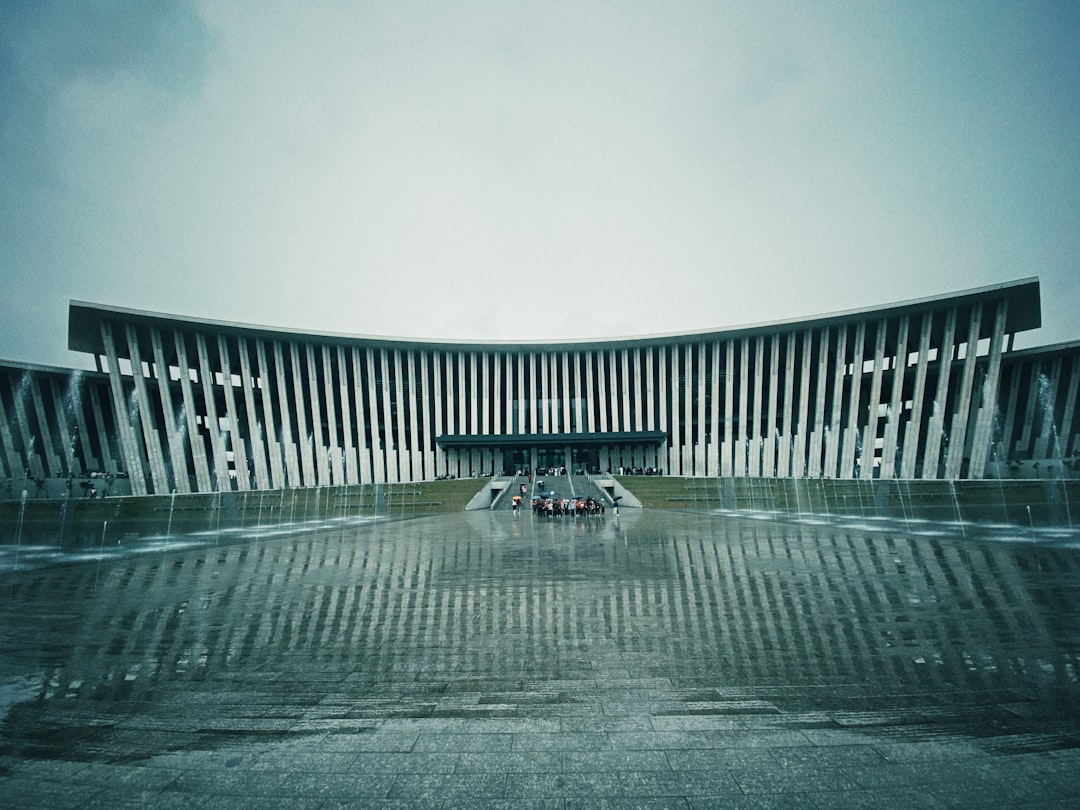 2–4 hours
Comprehensive museum showcasing the history, culture, and environmental impact of the Three Gorges Dam and the Yangtze River civilization.
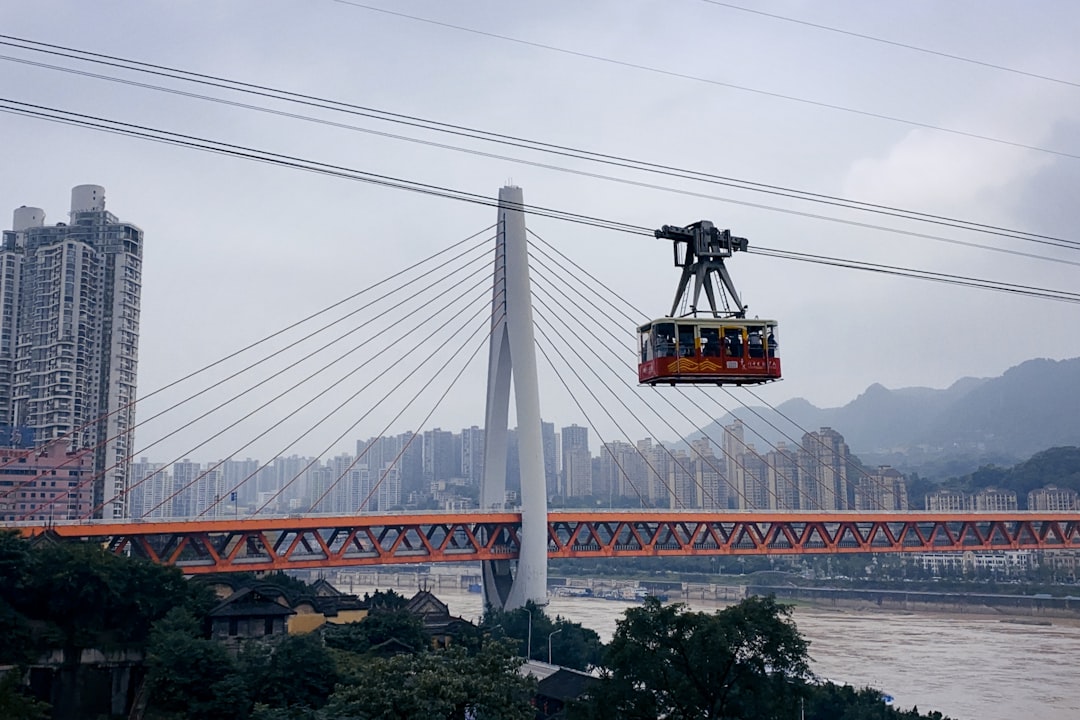 1 hour
Iconic "air bus" offering panoramic views of the river, city skyline, and surrounding mountains as you cross 1,166 meters above the water.
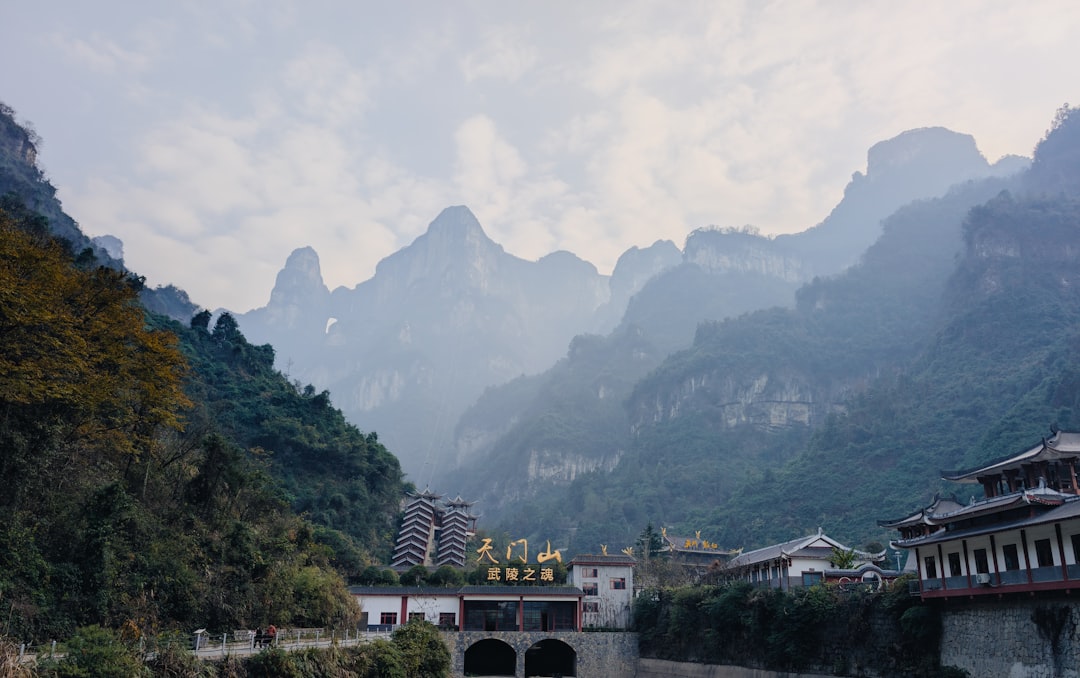 Full day
Stunning UNESCO-listed natural landscape featuring massive limestone bridges, deep gorges, and the famous sinkhole from "Transformers 4."
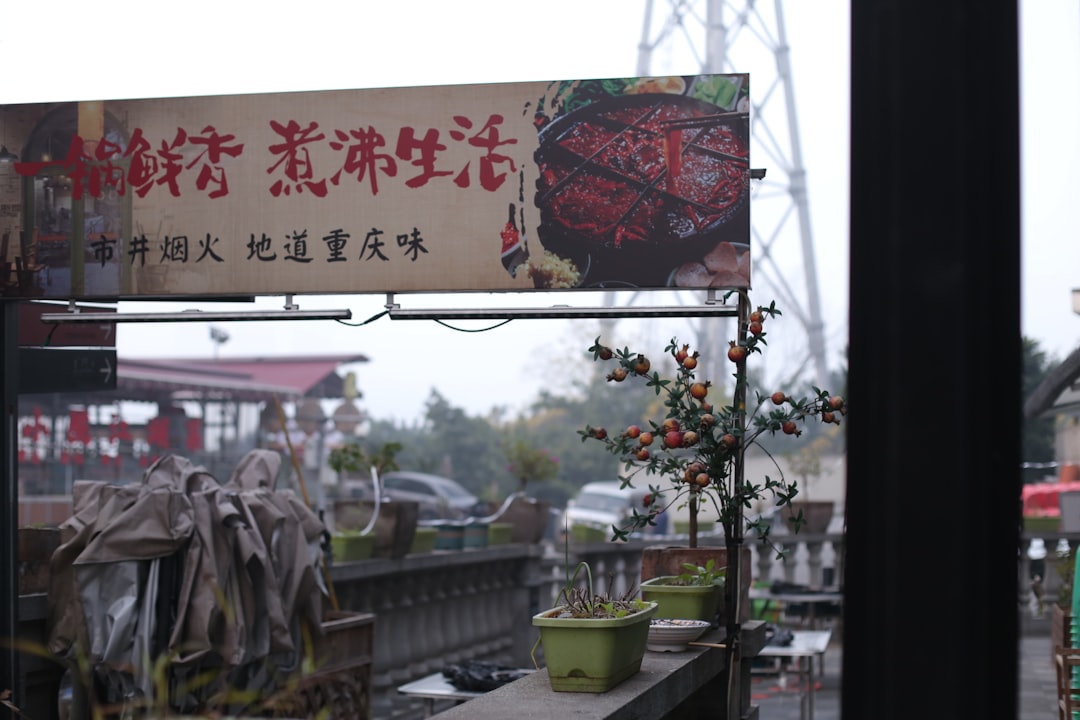
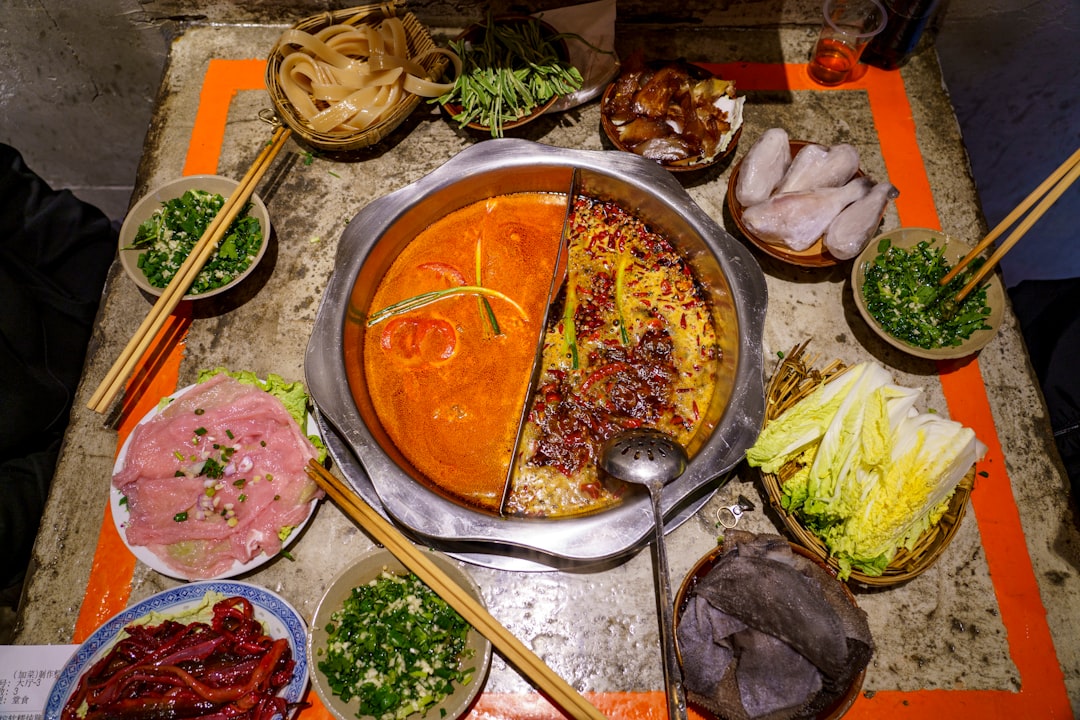 🔥 Very Spicy
The city's signature dish — bubbling pools of scarlet oil infused with Sichuan peppercorns and dried chilies. Dip thin-sliced meats, tofu, and vegetables into the fiery broth.
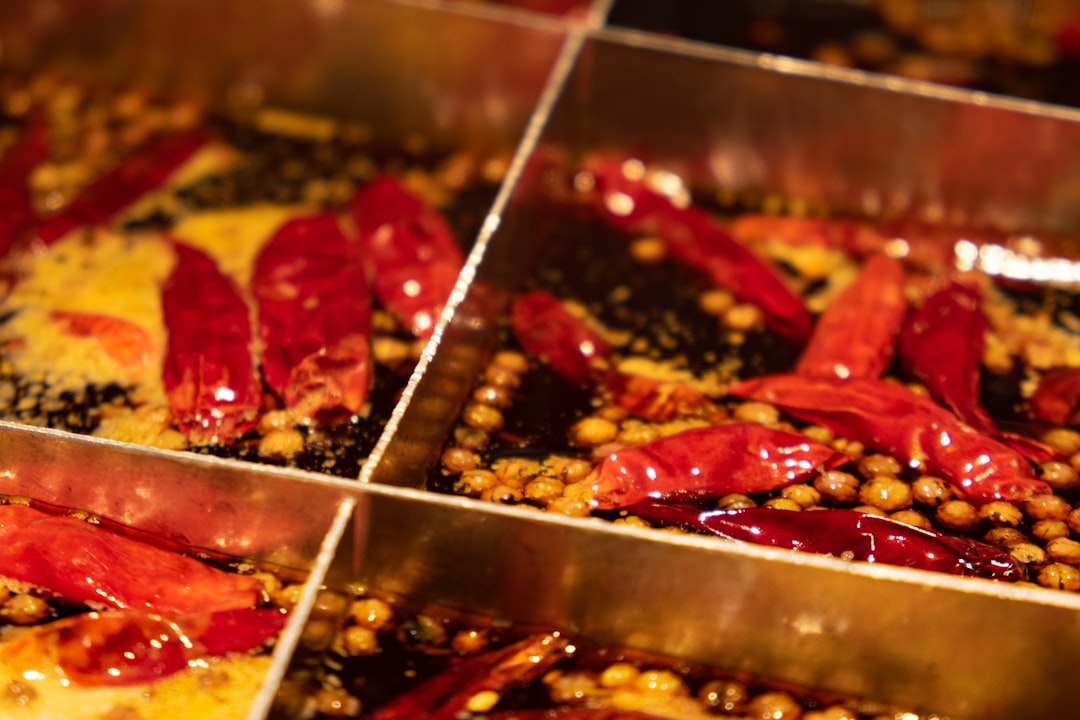
 🔥 Spicy
Skewers of meat and vegetables boiled in communal spicy broth. Affordable, social, and utterly addictive — count your sticks to settle the bill!
 🔥 Spicy
Chongqing's beloved breakfast — wheat noodles tossed with chili oil, Sichuan pepper, preserved vegetables, and scallions. Simple, cheap, and packed with flavor.
 🌶️ Medium
Classic Sichuan noodles in a sauce of preserved vegetables, minced pork, chili oil, and crushed peanuts. The street vendor classic that conquered the world.
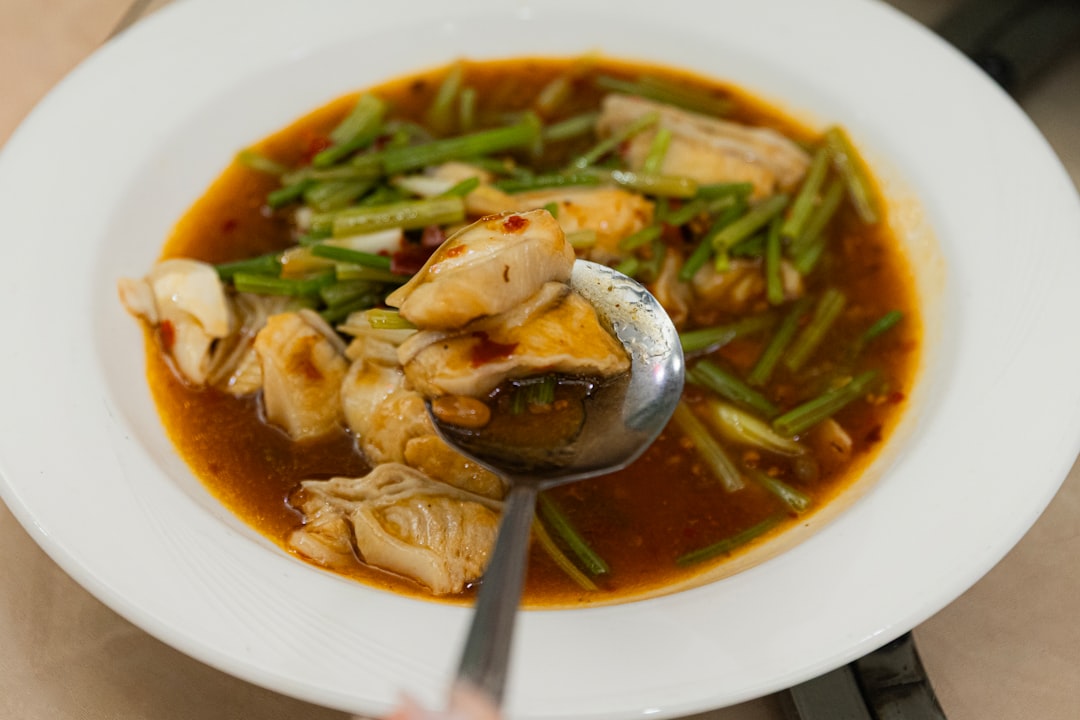 🔥🔥 Very Spicy
Chewy sweet potato noodles swimming in a tangy, spicy, sour broth. The combination of Sichuan pepper tingle and vinegar zing is unforgettable.
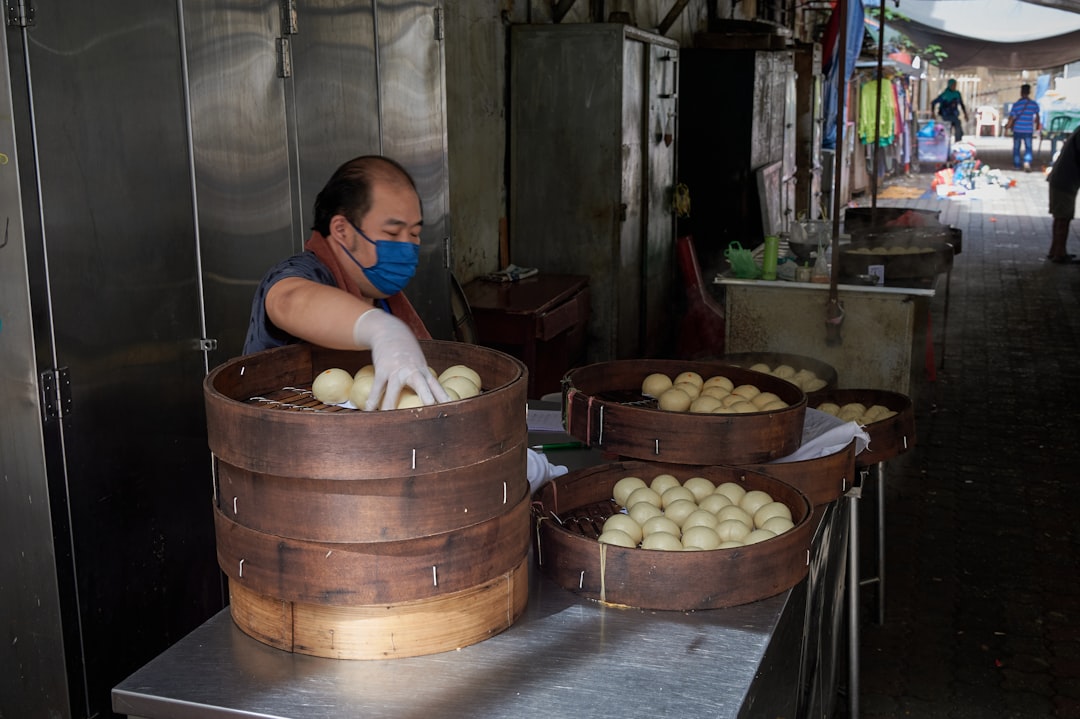 🌶️ Mild option
Soft steamed buns filled with pork, vegetables, or sweet red bean. The perfect antidote to spicy overload — pair with fresh soy milk for a local breakfast.
The most efficient way to explore. Chongqing's extensive subway network connects airports, train stations, and major attractions. Air-conditioned, clean, and affordable — fares start at just ¥2.
💡 Get a Transit Card for easier transfersTaxis are plentiful and metered — the distinctive yellow cabs are everywhere. For app-based rides, DiDi (China's Uber) works seamlessly. Most drivers don't speak English, so have your destination in Chinese.
💡 Fares start at ¥10 for first 3kmExperience the Yangtze River Cableway for stunning aerial views. Ferries still cross the rivers for just ¥2. For a true local adventure, try the "bang bang jun" — porters who carry goods (and sometimes tourists!) up the city's steep stairs.
💡 Cableway is a tourist attraction AND transportTell us your travel dreams and we'll craft your perfect itinerary
We respond to all inquiries within 24 hours
From fiery hotpots to misty river views, your mountain city adventure awaits. Let our experts craft the perfect journey for you.
Get Your Free Consultation