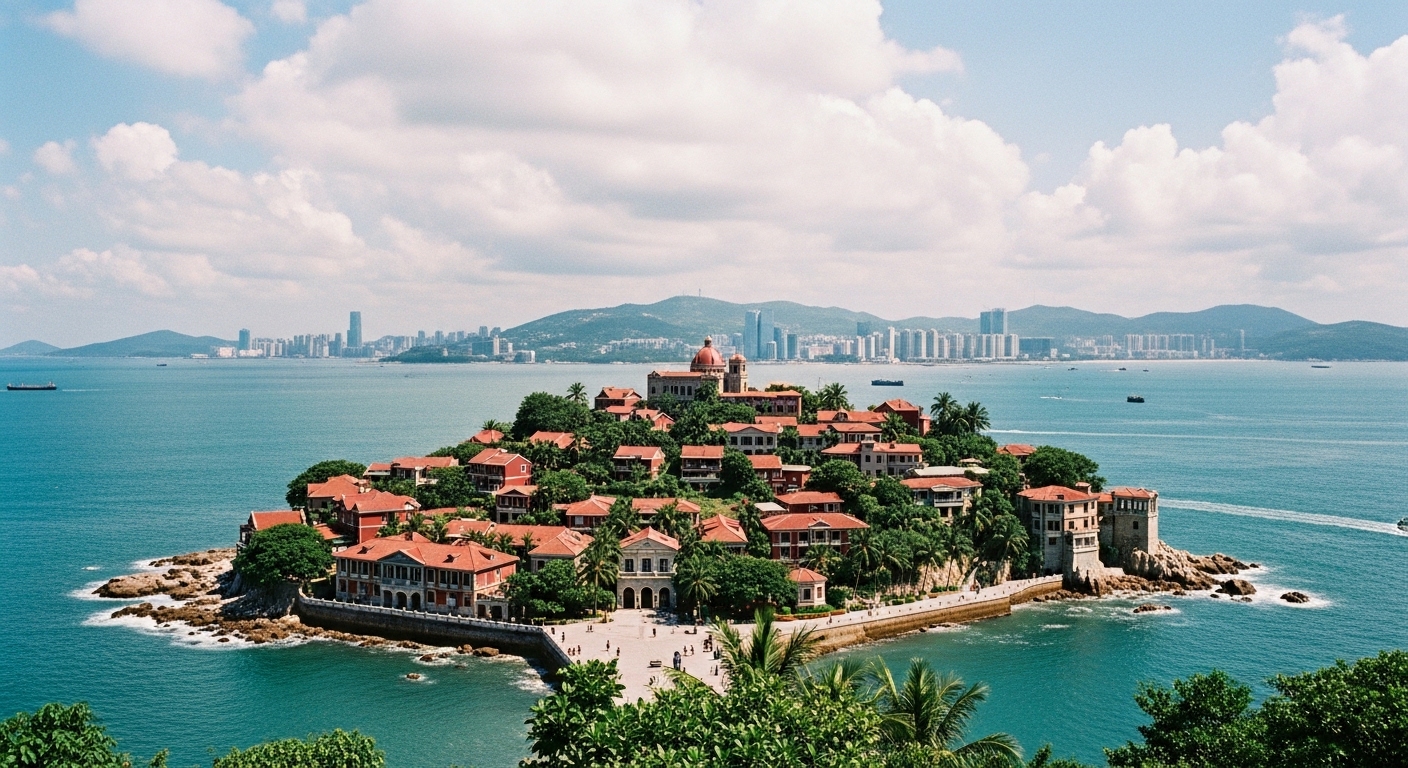
 4-6 Hours
Gulangyu Island
A UNESCO World Heritage car-free island featuring colonial architecture, beautiful gardens, and the famous Piano Museum. Walk through time on its charming lanes.
The Garden on the Sea
Xiamen, known as "Egret Island" for the graceful birds that inhabit its shores, is one of China's most livable and picturesque coastal cities. Located on the southeast coast of Fujian Province, this tropical paradise seamlessly blends colonial European charm with traditional Chinese culture.
The city's crown jewel, Gulangyu Island, is a UNESCO World Heritage Site renowned for its car-free streets, historic villas, and piano-making heritage. Beyond the island, Xiamen offers pristine beaches, ancient temples, world-class universities, and a thriving food scene famous for fresh seafood and unique Minnan flavors.
Whether you're seeking cultural immersion, beach relaxation, or culinary adventures, Xiamen delivers an unforgettable experience with its mild climate, welcoming locals, and stunning natural beauty.
March - May & September - November
3-5 Days
Chinese Yuan (CNY/¥)
Mandarin & Minnan Dialect
Must-visit destinations in and around Xiamen
4-6 Hours
A UNESCO World Heritage car-free island featuring colonial architecture, beautiful gardens, and the famous Piano Museum. Walk through time on its charming lanes.
 2-3 Hours
This 1,000-year-old Buddhist temple at the foot of Wulao Mountain features stunning architecture, peaceful gardens, and vegetarian restaurant.
 2-3 Hours
Known as China's most beautiful campus, featuring traditional architecture, tranquil lakes, and the stunning Furong Tunnel filled with student murals.
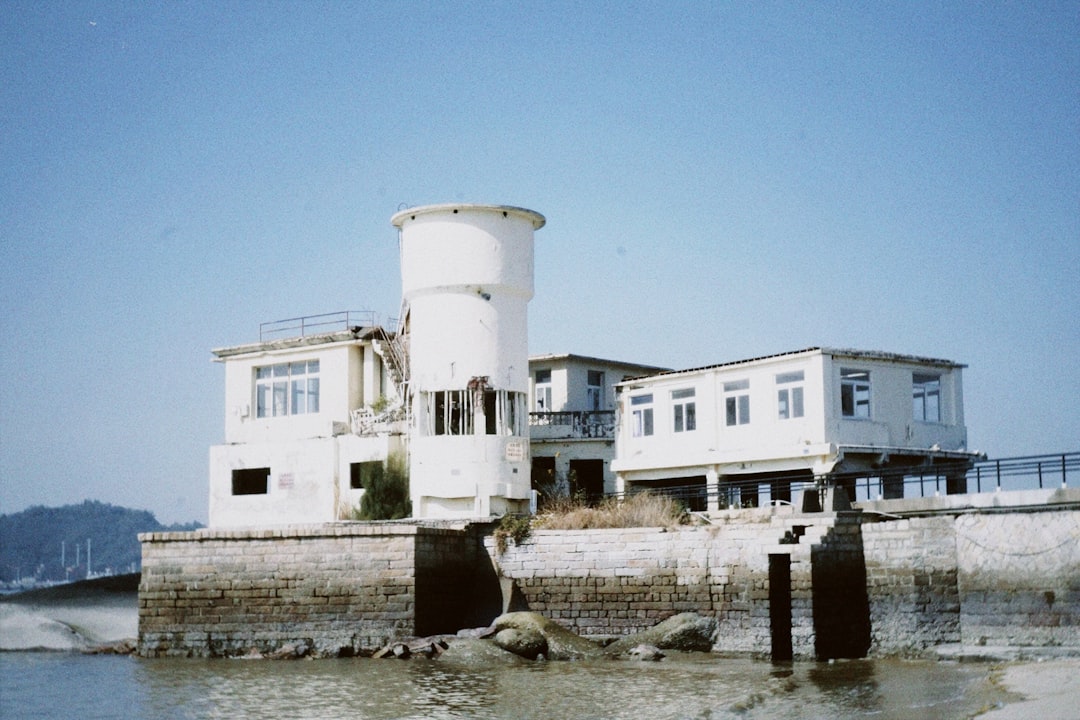 1-2 Hours
Home to the world's largest coastal cannon, this historic fortress offers spectacular ocean views and fascinating military history from the late Qing Dynasty.
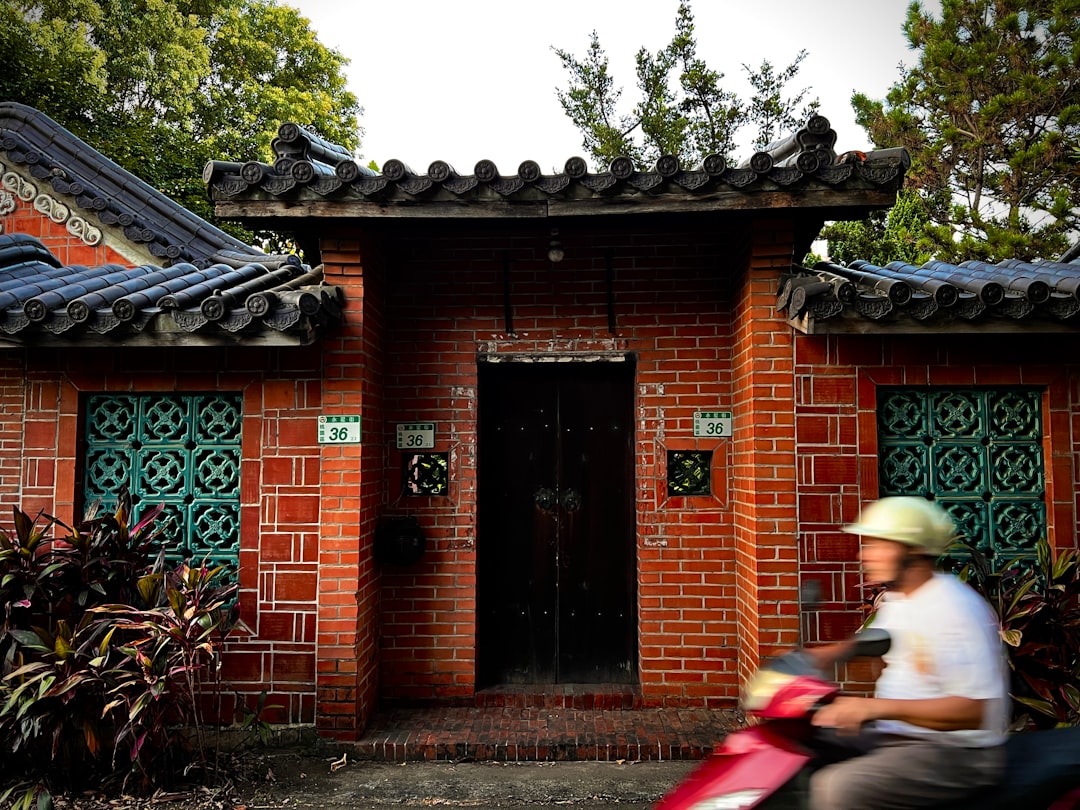 Half Day
Built by philanthropist Tan Kah Kee, this educational complex combines traditional Chinese and Western architecture across a serene lake setting.
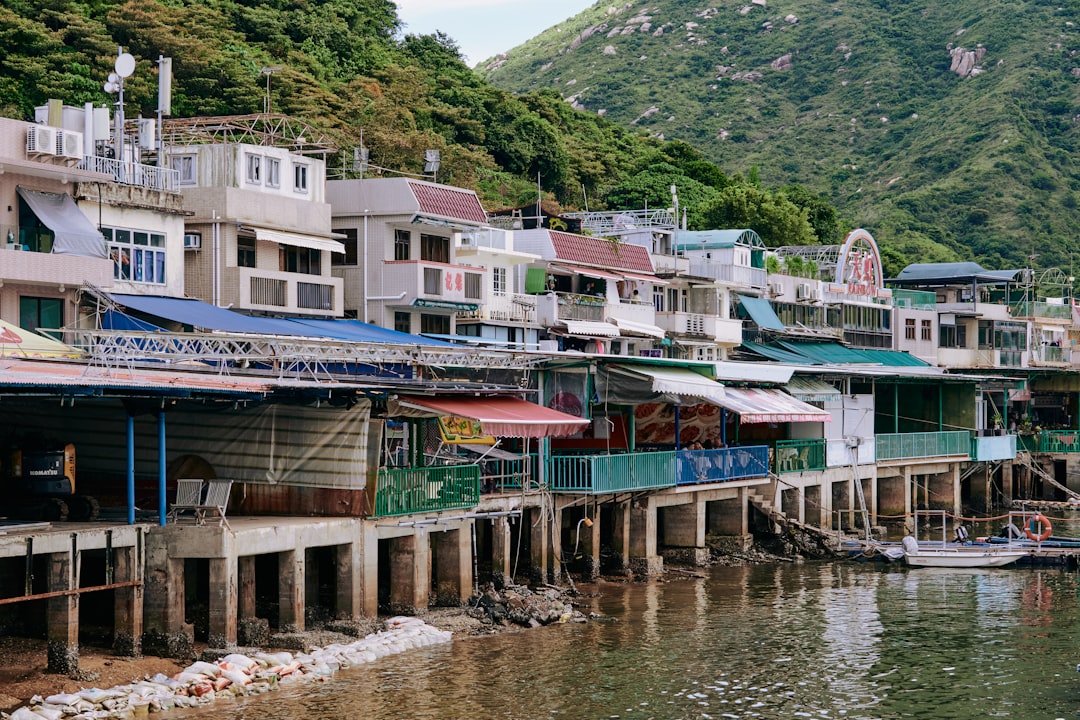 2-4 Hours
A charming fishing village transformed into a trendy beach area with boutique guesthouses, cafes, and authentic local culture just minutes from the city.
Savor the flavors of Xiamen's unique culinary heritage
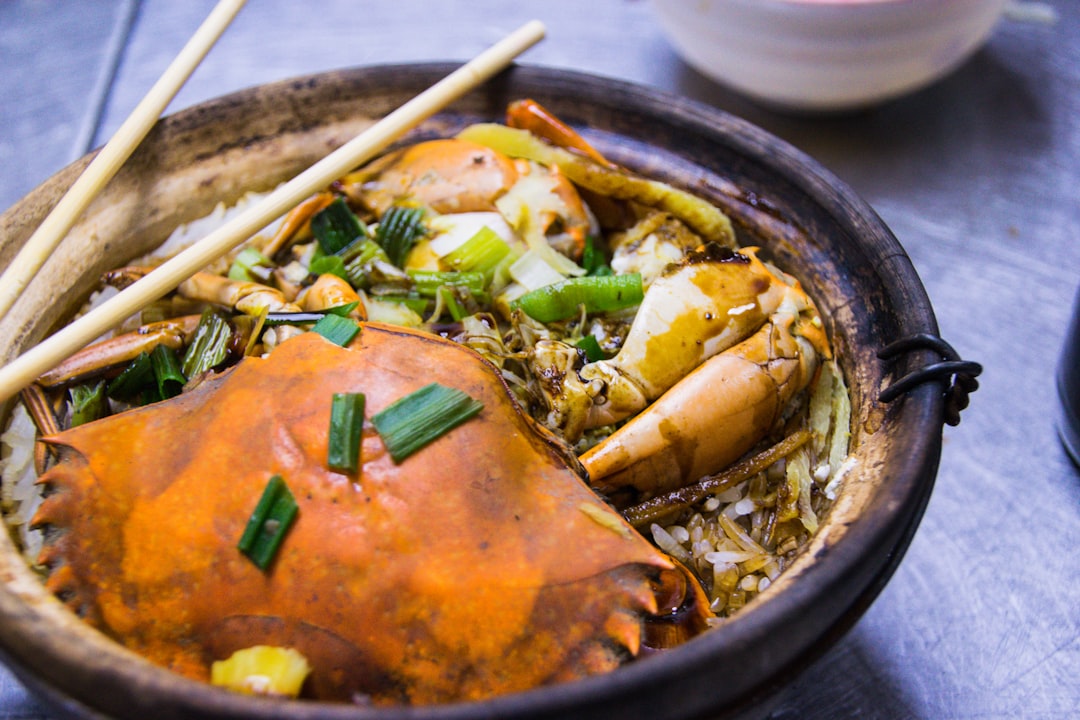
A signature Xiamen dish featuring fresh oysters, eggs, and sweet potato starch pan-fried to crispy perfection. Served with chili sauce.
Zhongshan Road Night Market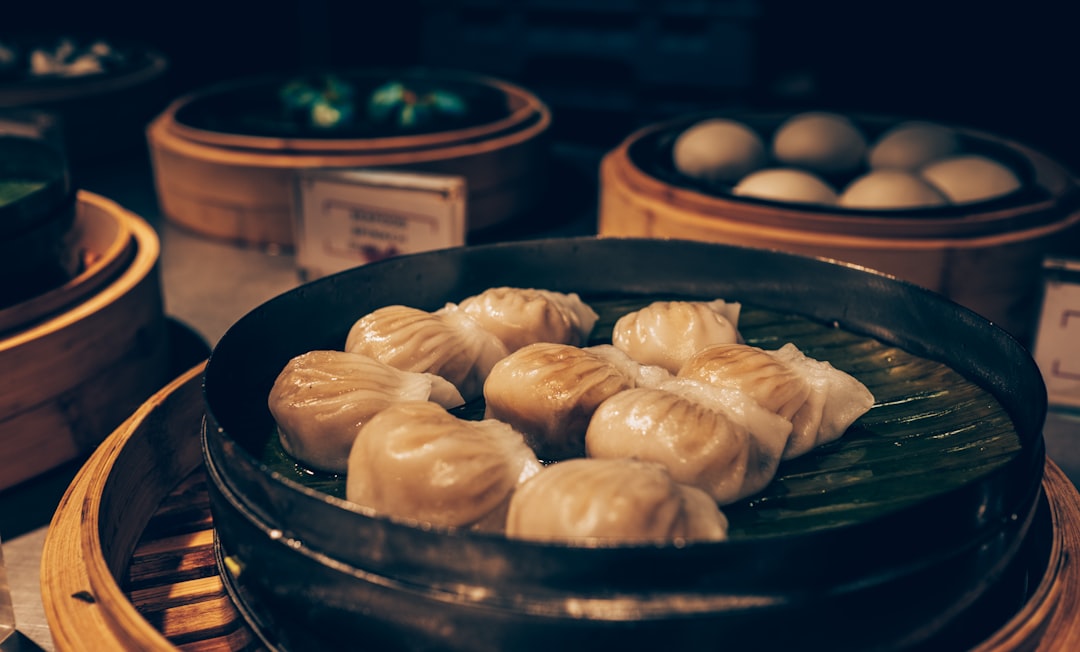
Chewy noodles in a rich, spicy-sweet peanut and seafood broth. A beloved local breakfast and comfort food staple.
Local noodle shops citywide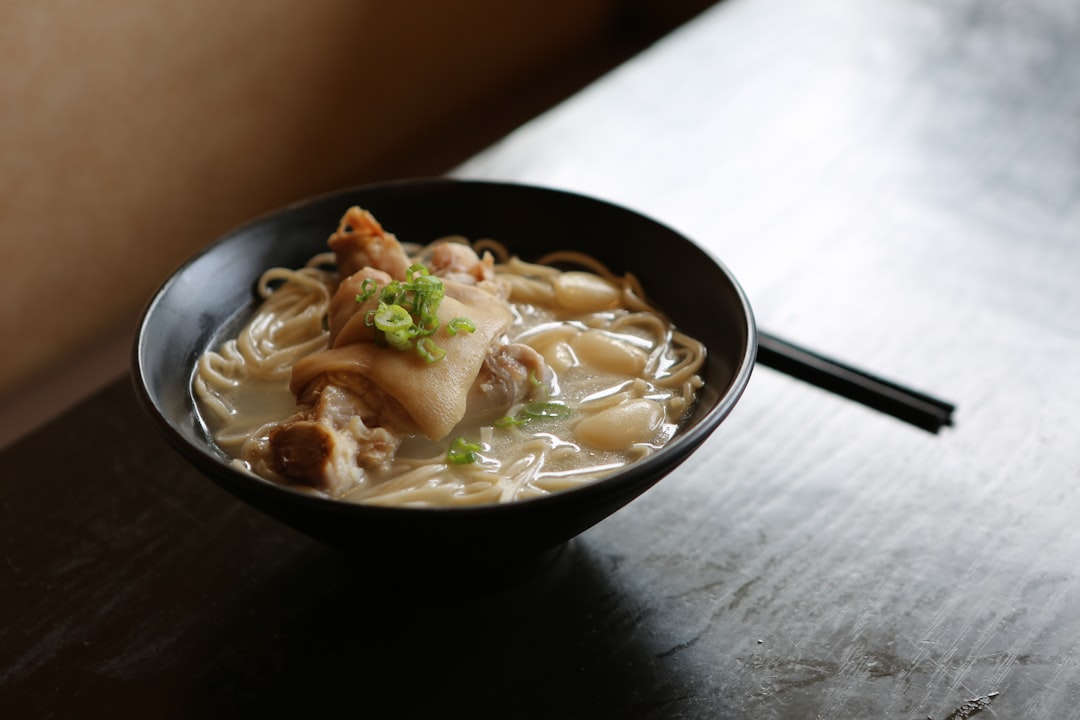
Sweet, creamy dessert soup made with slow-cooked peanuts. A traditional Fujian specialty, often served with youtiao.
Huang Zehe Peanut Soup Shop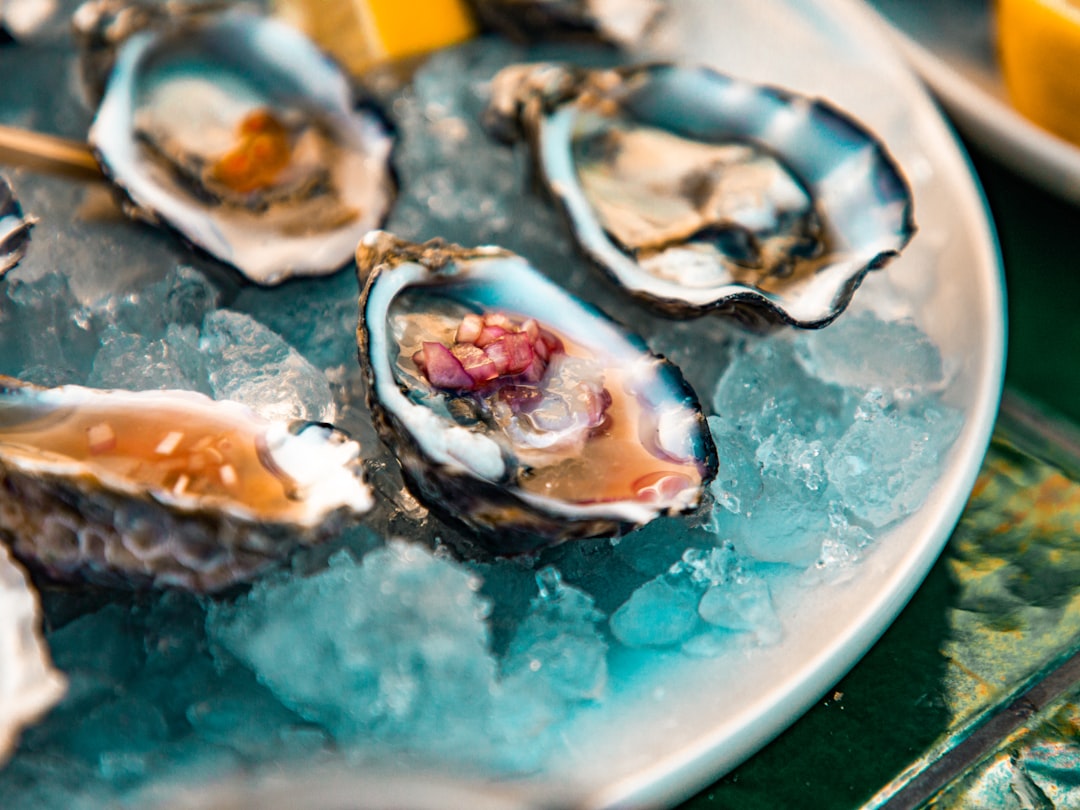
Xiamen's coastal location means incredibly fresh seafood. Try steamed fish, crab, and shellfish prepared with minimal seasoning.
Haicang or Dadeng Island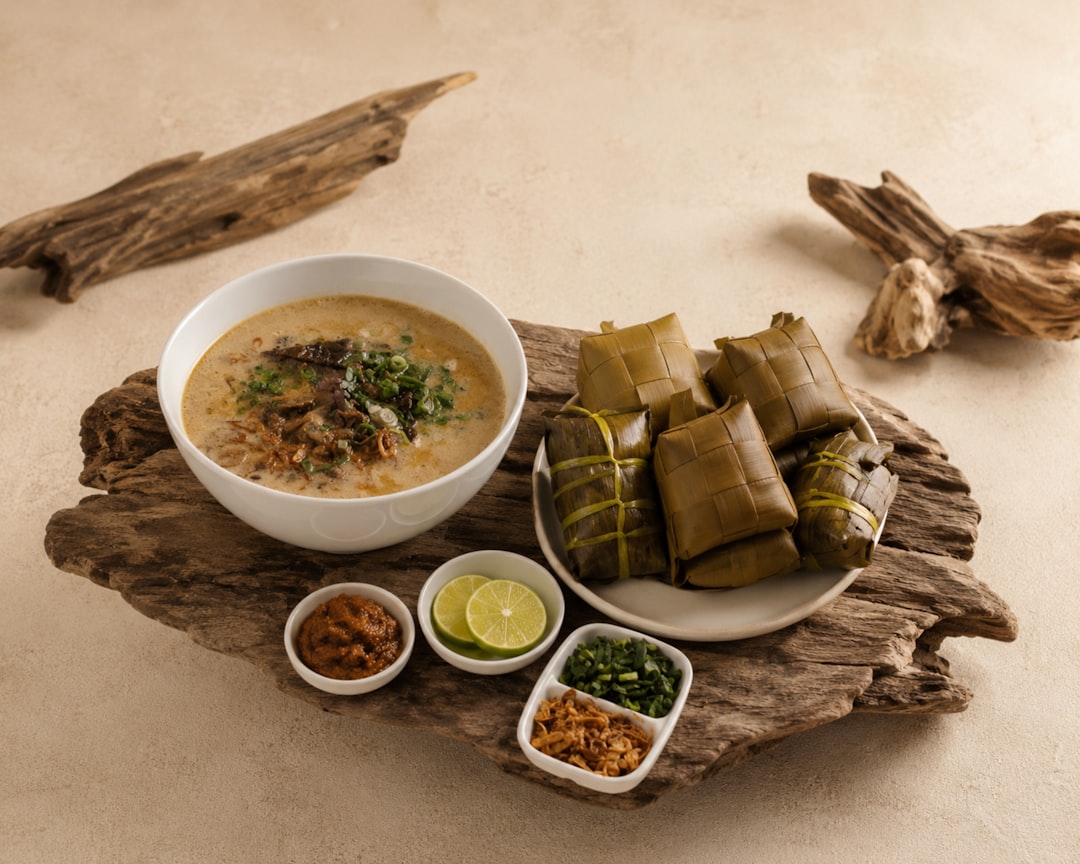
Thin rice paper rolls filled with vegetables, meat, and seafood. Xiamen's version is known for its variety of fresh fillings.
Street vendors & restaurants
Tender pork marinated in aromatic satay sauce and grilled over charcoal. A popular snack found throughout the city.
Night markets & food streetsNavigate Xiamen with ease using these convenient options
Xiamen's modern metro system connects the airport, train station, and major attractions. The BRT (Bus Rapid Transit) offers dedicated lanes for speedy cross-city travel.
An extensive bus network covers the entire city at just ¥1-2 per ride. Taxis and Didi (ride-hailing) are affordable and plentiful throughout Xiamen.
Huandao Road offers a spectacular 31km cycling route along the coast. Gulangyu Island is entirely pedestrian and perfect for exploring on foot.
Get a customized itinerary from our travel experts
✓ Our travel specialists will respond within 24 hours with a personalized itinerary
Everything you need to know before visiting Xiamen
Most foreign visitors require a Chinese visa to enter Xiamen. However, Xiamen offers a 144-hour (6-day) visa-free transit policy for citizens of 53 countries including the US, UK, Canada, Australia, and most EU nations. This allows you to visit Xiamen and Fujian Province without a visa if you're transiting to a third country. For longer stays or direct entry, you'll need to apply for a tourist visa (L visa) in advance.
The ideal times to visit Xiamen are spring (March to May) and autumn (September to November). During these months, temperatures are pleasant (20-28°C), humidity is lower, and rainfall is minimal. Summer (June-August) can be hot and humid with occasional typhoons, while winter (December-February) is mild but can be damp. October is particularly popular for the comfortable weather and clear skies.
The official currency is the Chinese Yuan (CNY or ¥), also known as Renminbi (RMB). Credit cards are accepted at major hotels and restaurants, but cash or mobile payments (WeChat Pay, Alipay) are preferred at smaller establishments. Tipping is not customary in China and may even be refused. Service charges are typically included in bills at upscale restaurants and hotels.
Xiamen is considered one of China's safest cities for tourists. Violent crime is extremely rare, and the city has a strong police presence in tourist areas. Standard precautions apply: watch your belongings in crowded areas, use licensed taxis, and keep copies of your passport. Tap water is not drinkable—stick to bottled water. The city has excellent healthcare facilities, including international hospitals that cater to foreign visitors.
Pack lightweight, breathable clothing for the subtropical climate. Essentials include: comfortable walking shoes (for exploring Gulangyu on foot), sunscreen and sunglasses, a light rain jacket or umbrella (year-round), modest clothing for temple visits, and a light sweater for air-conditioned spaces. If visiting in summer, bring quick-dry clothing and insect repellent. Don't forget a power adapter (Type A, C, or I plugs) and any prescription medications.
Major Chinese holidays can affect travel plans due to increased crowds and higher prices. Key dates include: Chinese New Year (January/February, 7-day holiday), Labor Day (May 1-5), and National Day Golden Week (October 1-7). During these periods, expect crowded attractions and book accommodations well in advance. The Mid-Autumn Festival (September/October) is another popular time when locals travel, though shorter in duration.