Chaoshan & Nanao Island 5-Day Small Group Tour
Discover Chaoshan culture, Teochew cuisine, and Nanao Island scenery on a 5-day small group tour for 2–8 travelers. Guided, flexible, and fully supported.
View Itinerary

Where ancient Teochew culture, timeless cuisine, and warm coastal hospitality come together in China's cultural heartland.
Chaoshan is one of China's most culturally distinct regions, where the ancient Teochew (Chaozhou) heritage has been preserved with remarkable care. Spread across the coastal cities of Chaozhou, Shantou, and Jieyang, this area offers travelers a rare blend of living tradition, world-famous cuisine, and relaxed seaside charm.
Unlike the fast-paced megacities of the Pearl River Delta, Chaoshan moves to its own rhythm. Here, locals still gather for elaborate morning tea rituals, temple fairs draw crowds in colorful procession, and fishermen mend nets along quiet shorelines. It is a destination for curious travelers who want to go deeper.
October to March offers mild, dry weather ideal for walking tours and temple visits. Avoid the summer typhoon season.
We recommend 4–5 days to cover Chaozhou old town, Shantou's colonial heritage, and a day trip to the coast.
Chinese Yuan (CNY). Cash is still king at street food stalls and small temples, though mobile pay is widely accepted.
Teochew dialect is spoken locally. Mandarin is understood in hotels and restaurants. English is limited outside major hotels.
Explore ready-made routes through Chaozhou, Shantou, and Nanao Island — each crafted by local specialists and easy to personalize.
From ancient bridges to coastal temples, these are the places that define the Chaoshan experience.
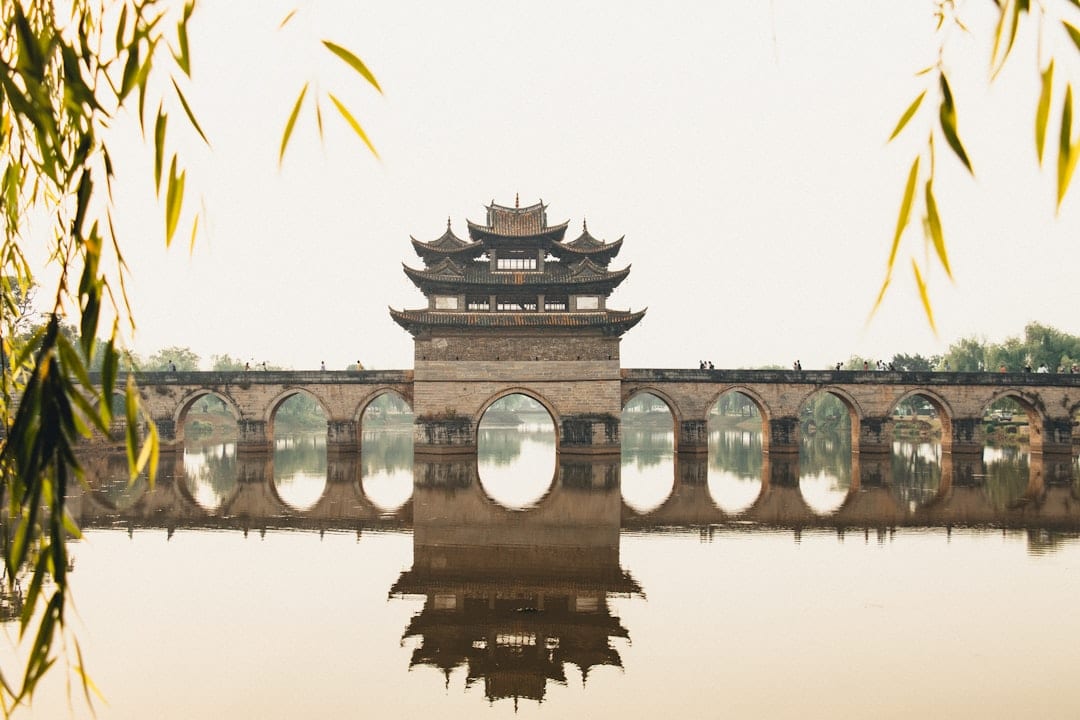
One of China's four ancient great bridges, this floating pontoon bridge on the Han River has connected Chaozhou for over 800 years.
Suggested: 1–2 hours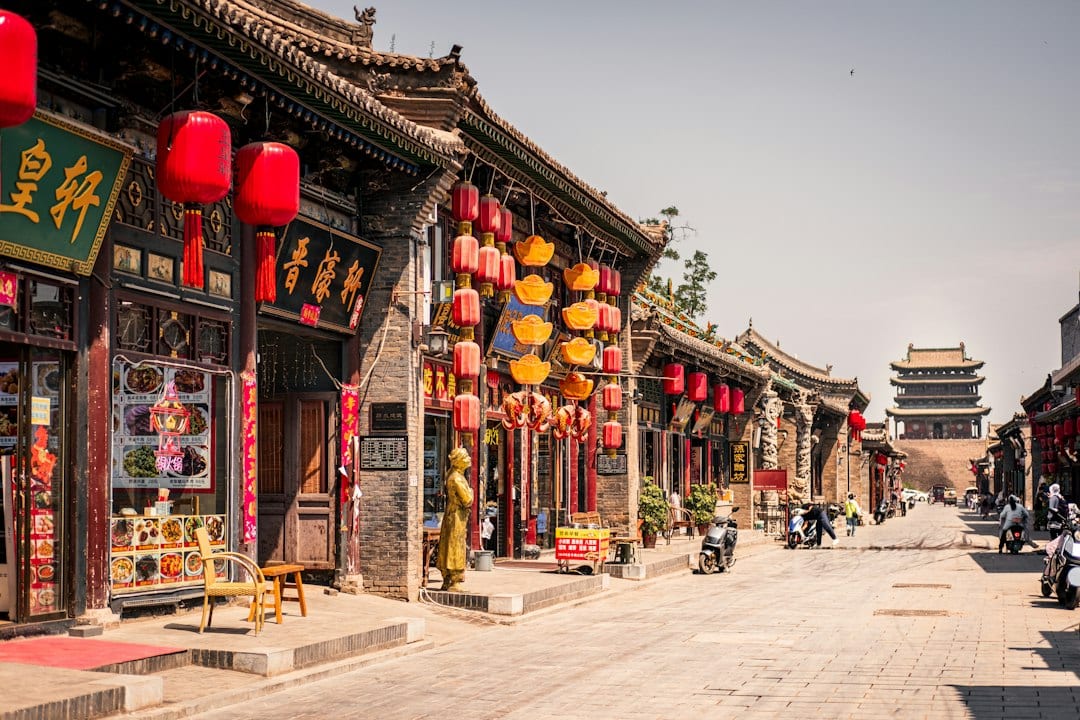
Wander lantern-lit alleys, visit family shrines, and watch craftsmen at work in this remarkably preserved walled city center.
Suggested: Half day
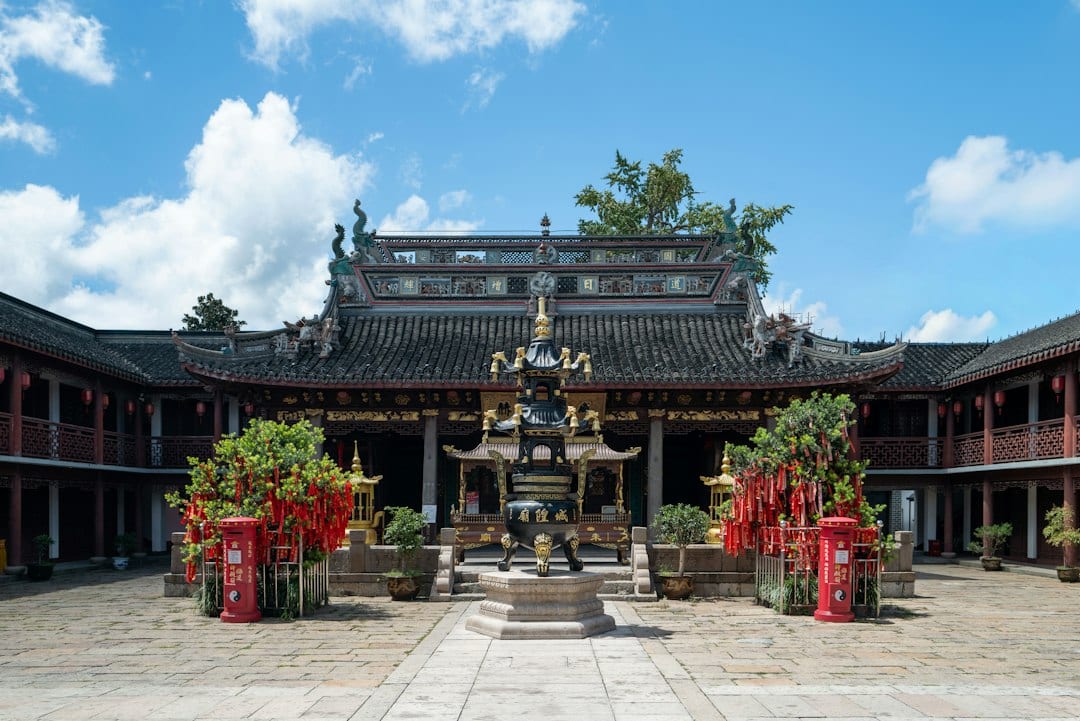
A Tang-dynasty Buddhist temple renowned for its intricate stone carvings, ancient ginkgo trees, and serene meditation halls.
Suggested: 1–2 hours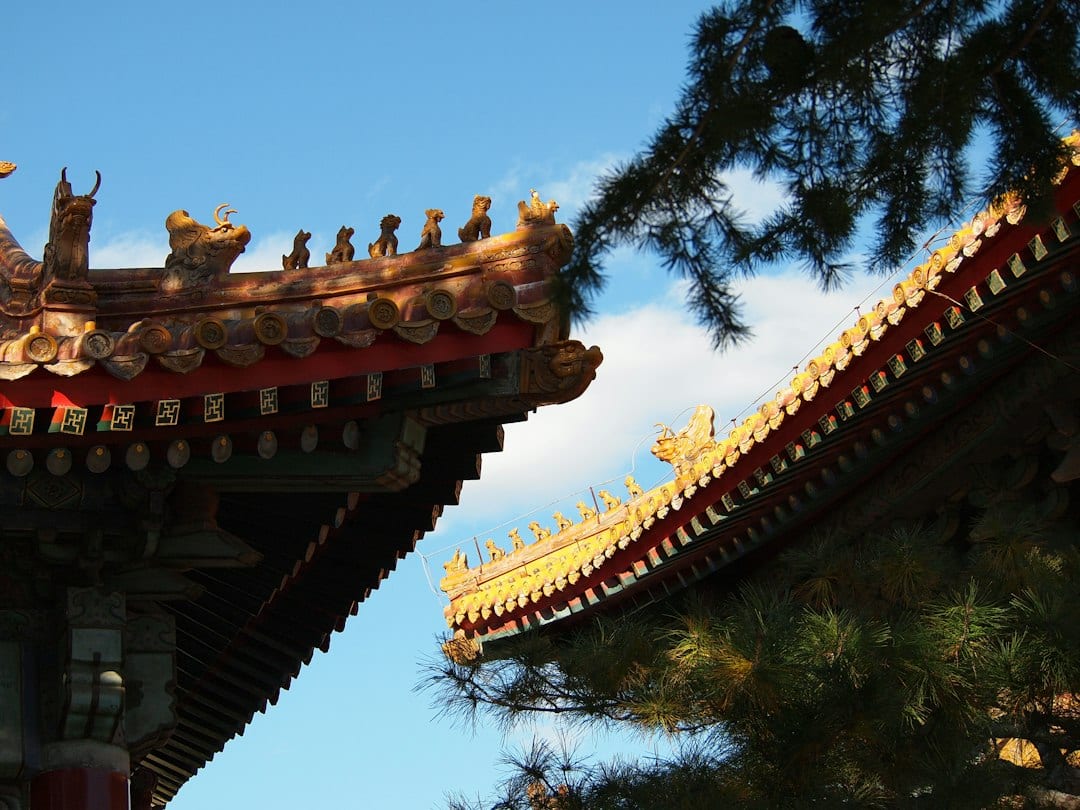
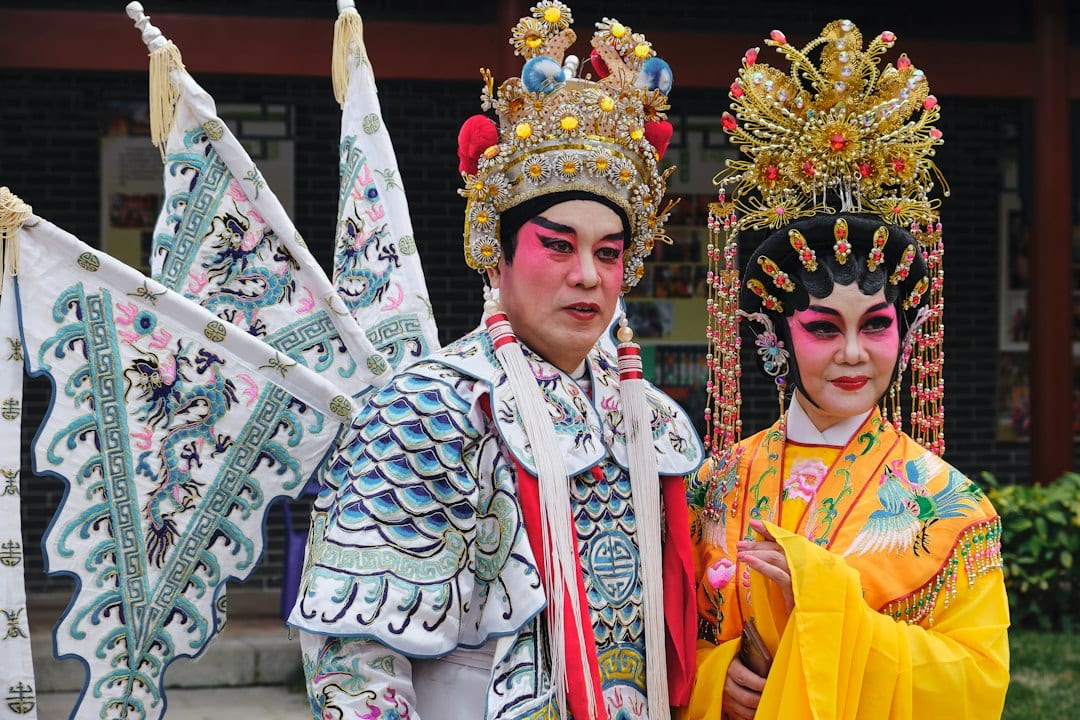
Catch a live Teochew opera performance featuring elaborate costumes, distinctive vocal style, and centuries-old storytelling.
Suggested: 2–3 hours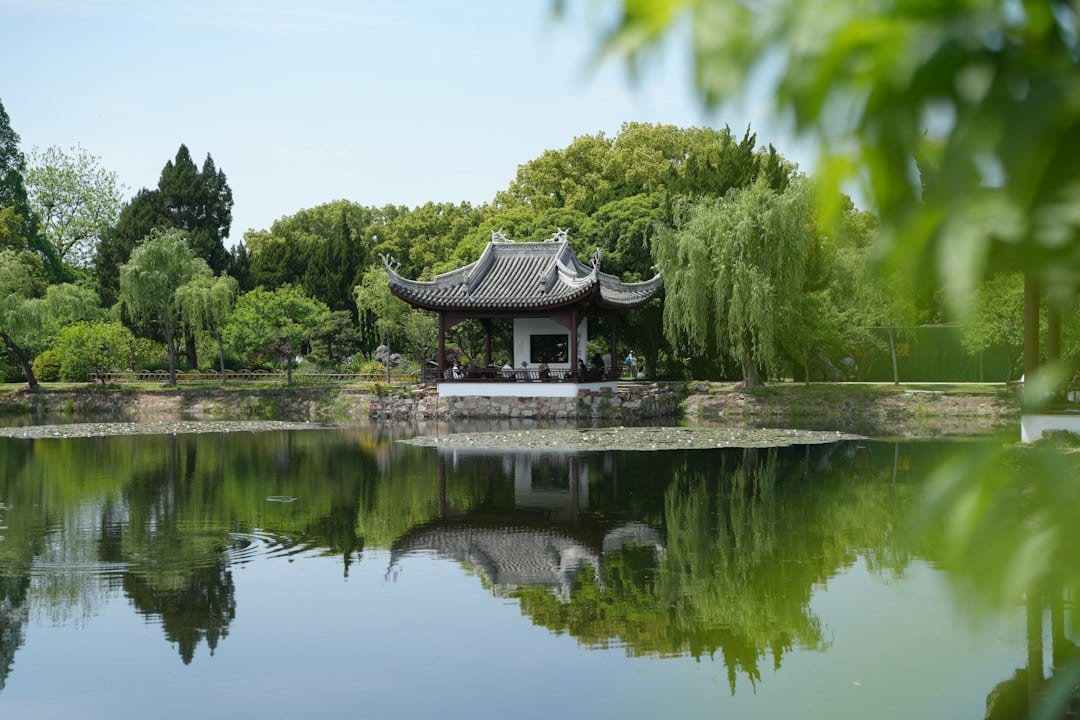
A classical Chinese garden surrounding a tranquil lake — perfect for a morning stroll, tea break, or paddle-boat ride.
Suggested: 1–2 hours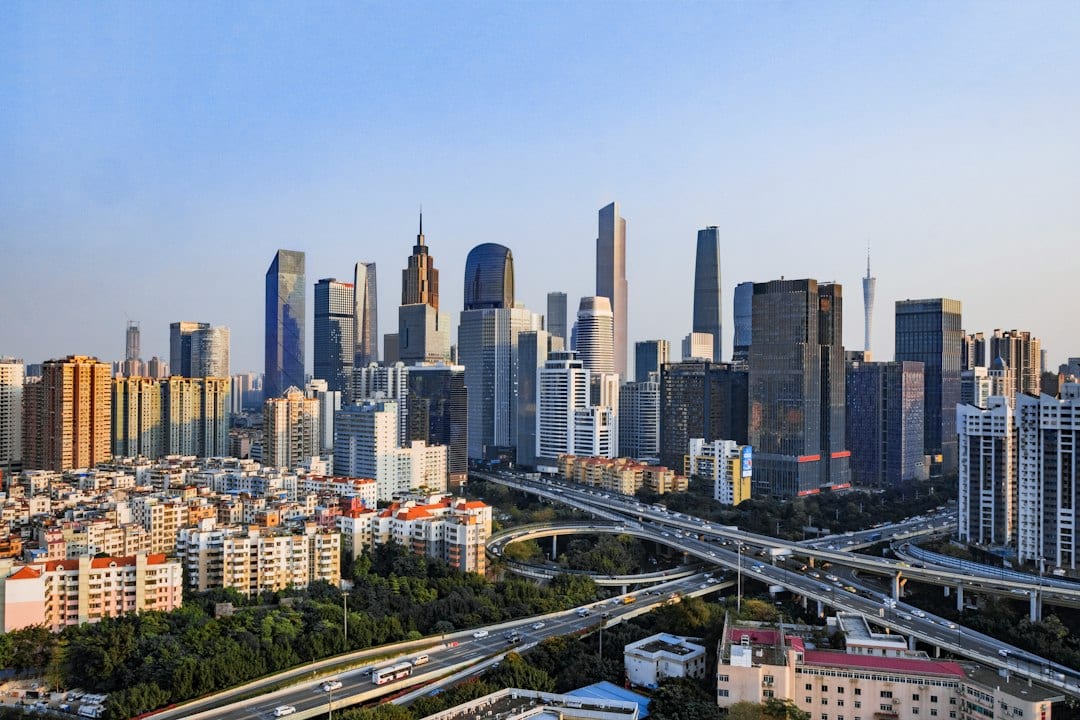
Explore colonial-era architecture, the historic port district, and the vibrant Nanshan Bay waterfront promenade.
Suggested: Half dayA food culture so revered that chefs across Asia study its techniques. These are the dishes you cannot miss.
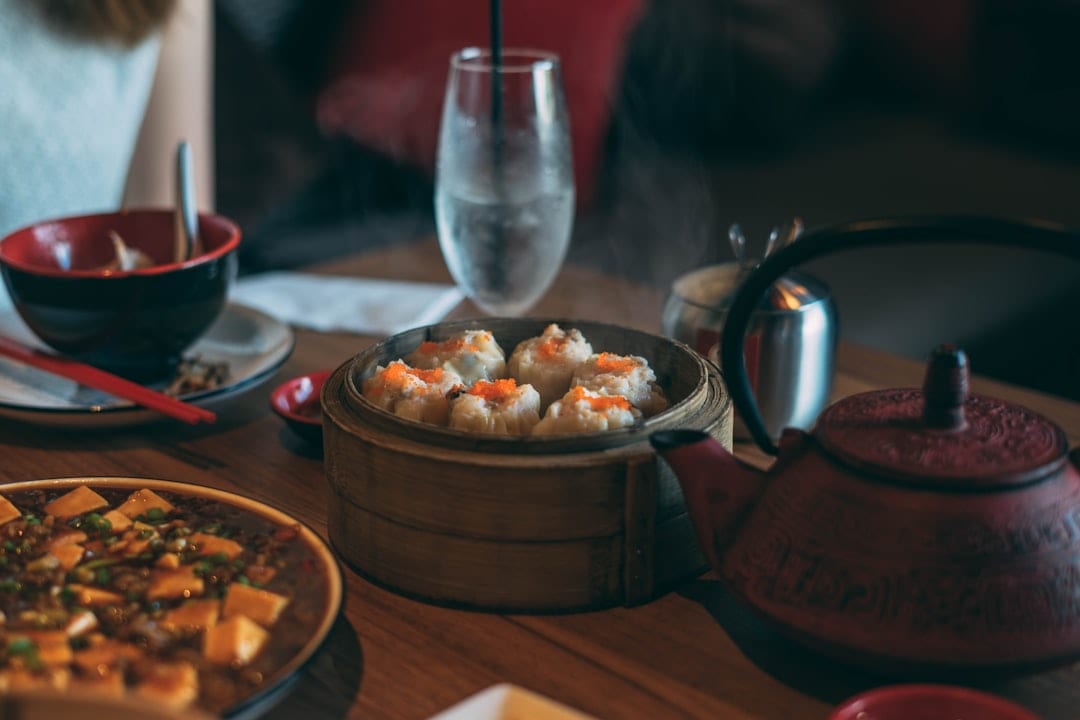
An elaborate ritual of small plates — crystal dumplings, steamed buns, and congee — best enjoyed at a traditional teahouse in Chaozhou Old Town.
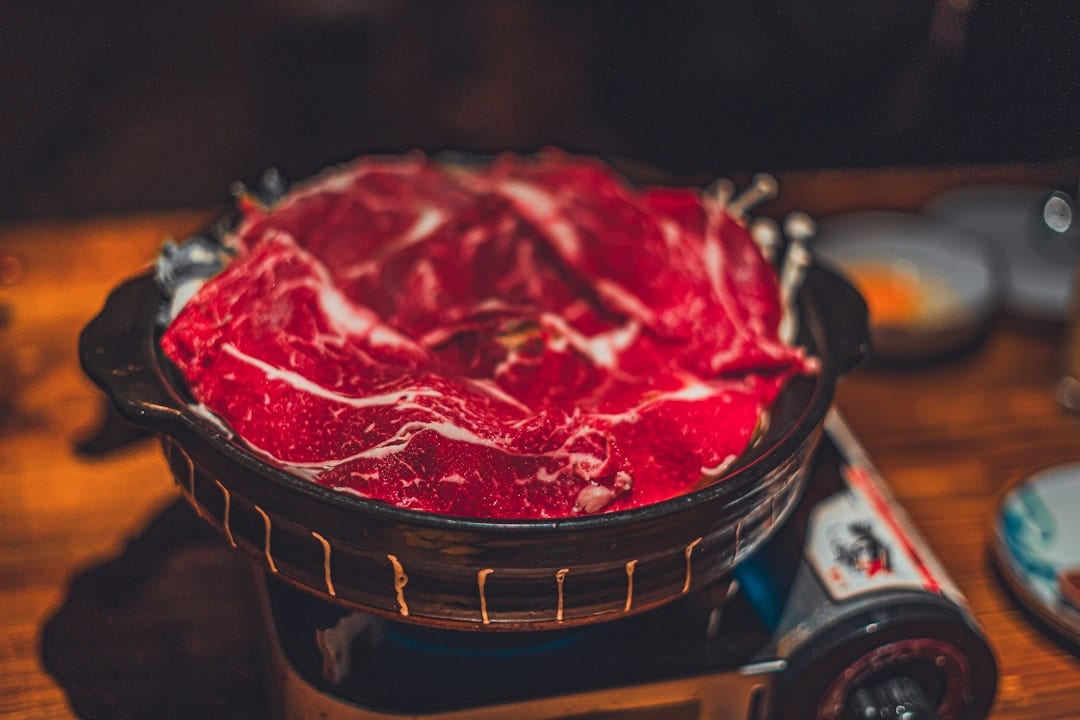
Paper-thin beef slices swirled briefly in rich bone broth. Shantou is the birthplace of this now world-famous dining experience.
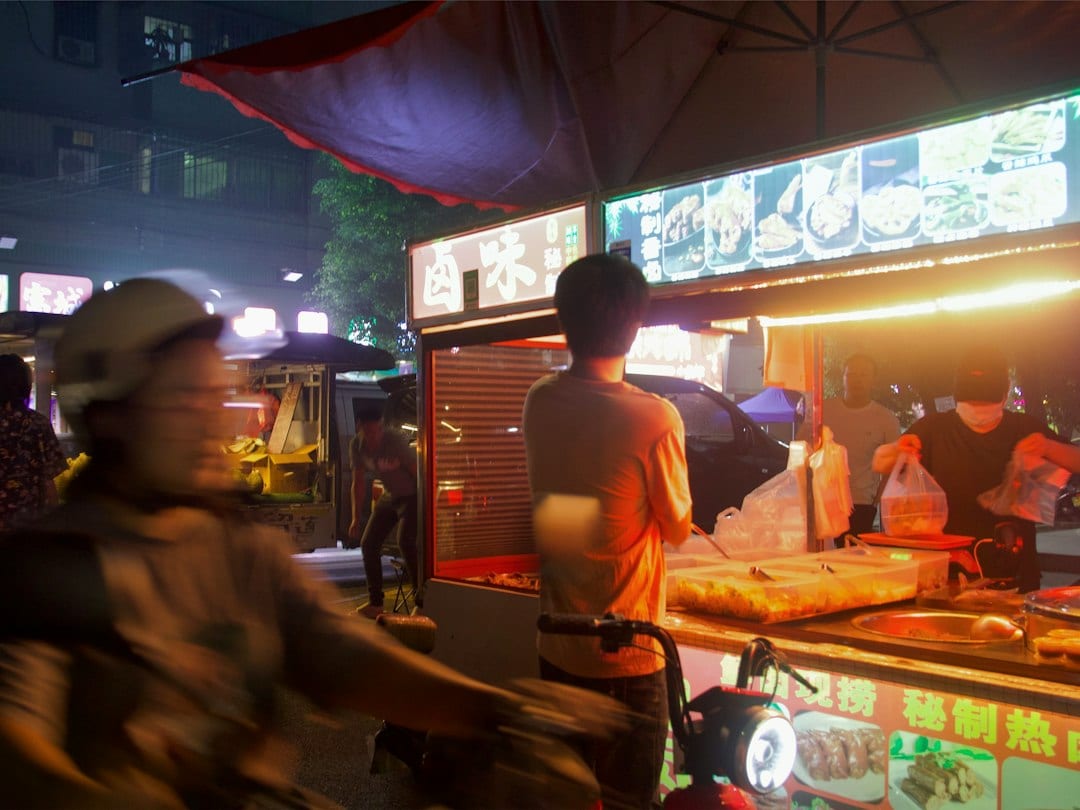
Crispy-edged, gooey-centered, and loaded with plump local oysters. Find the best versions at night markets in Shantou and Jieyang.
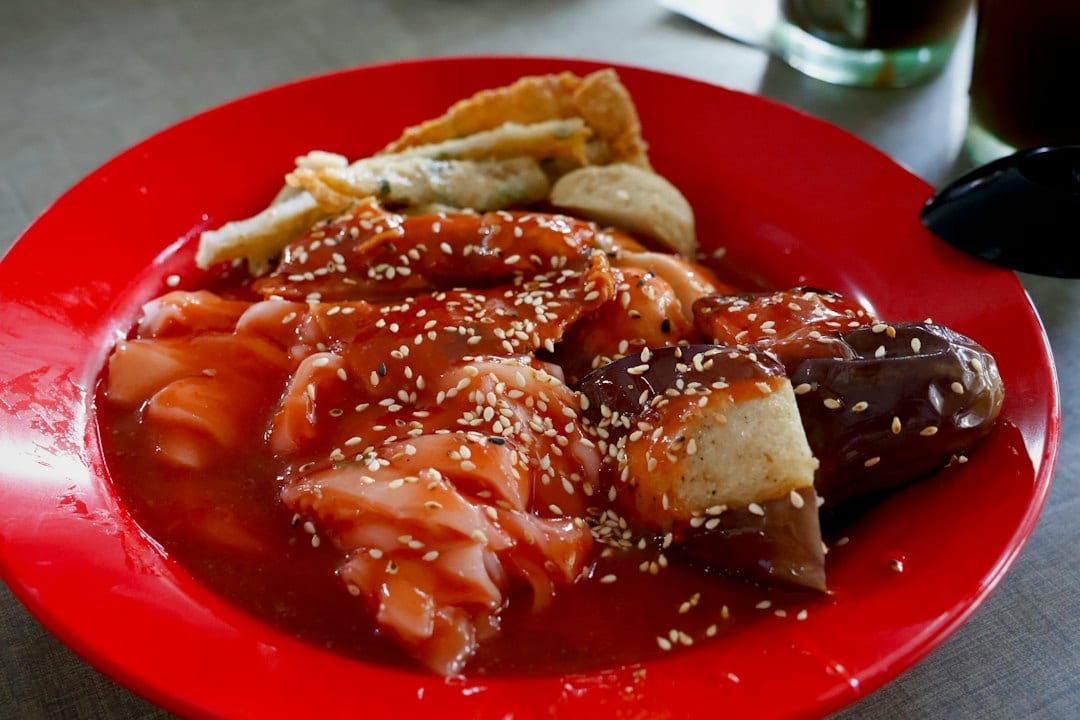
Silky rice sheets rolled around minced pork or shrimp, drizzled with soy sauce and sesame. A breakfast staple at every corner stall.
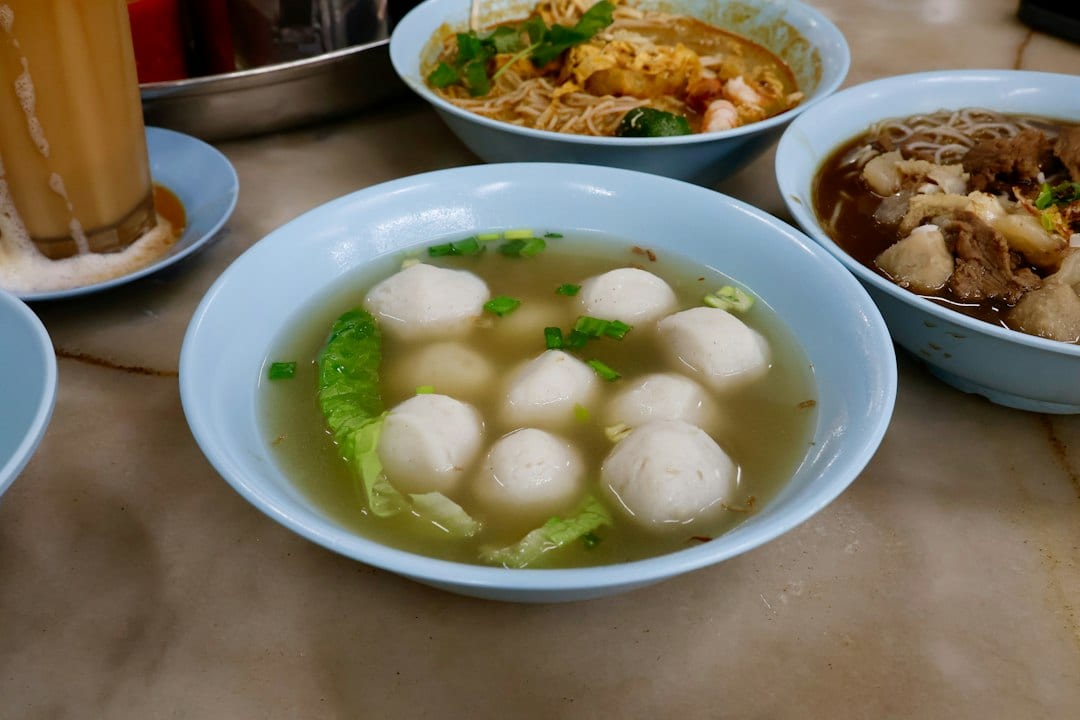
Hand-bounced fish balls with a signature springy texture, served in clear broth with noodles. A Chaoshan comfort food classic.
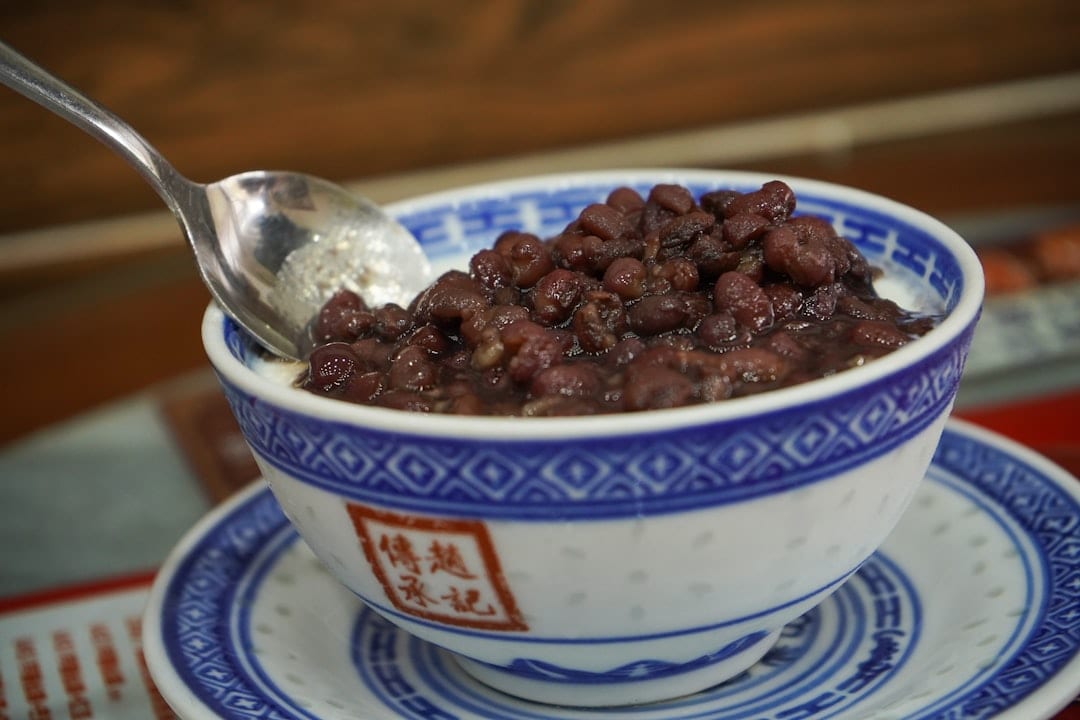
Warm, nourishing desserts like red bean paste, taro puree, and barley ginkgo soup — the perfect end to any Chaoshan meal.
Chaoshan is well connected by air, rail, and road. Here is how to move between cities and sights.
Chaoshan Jieyang International Airport (SWA) serves direct flights from major Chinese cities and select international hubs. Taxis and airport buses connect to Chaozhou and Shantou in about 45 minutes.
High-speed rail links Chaoshan to Guangzhou in about 3 hours and Shenzhen in 2.5 hours. The Chaoshan Railway Station is the main hub, with local trains continuing to Chaozhou and Shantou stations.
Intercity buses run frequently between Chaozhou, Shantou, and Jieyang. Within each city, taxis and ride-hailing apps are affordable. For coastal villages, consider hiring a private car with a local driver.
Share your travel plans and our specialists will craft a personalized itinerary for you.
Everything you need to know before traveling to Chaoshan.
Most foreign visitors need a Chinese tourist visa (L visa) to enter mainland China, including Chaoshan. Some nationalities qualify for visa-free transit or short-stay exemptions. We recommend checking the latest requirements with your local Chinese embassy or consulate at least one month before travel.
October through March is ideal, with mild temperatures, low rainfall, and comfortable conditions for walking tours and temple visits. Summers are hot, humid, and prone to typhoons, while the spring rainy season can occasionally disrupt outdoor plans.
The Chinese Yuan (CNY) is used throughout Chaoshan. Mobile payment apps are widely accepted in cities, but carry cash for street food and rural areas. Tipping is not customary in mainland China and is often politely refused. A small gratuity for exceptional private tour guides is acceptable but never expected.
Chaoshan is generally very safe for visitors. Petty theft is rare, and violent crime against tourists is uncommon. Standard precautions apply: keep valuables secure, use licensed taxis or ride-hailing apps, and carry a copy of your passport. Tap water should be boiled or bottled.
Pack light, breathable layers for warm weather and a light jacket for cooler evenings in winter. Comfortable walking shoes are essential for cobblestone old streets and temple grounds. Bring sunscreen, a reusable water bottle, and any personal medications, as English-language pharmacies are limited outside central Shantou.
Major Chinese holidays — Chinese New Year (January/February), Labor Day (early May), and National Day (early October) — bring large domestic crowds and higher accommodation prices. Chaoshan also celebrates local temple festivals with vibrant processions. Booking well in advance is strongly recommended during these periods.
Let our local experts craft a custom itinerary that matches your pace, tastes, and curiosity. From temple mornings to hotpot nights, your Chaoshan story begins here.
Plan Your Trip